LEEKANG

Deep Foundation Piling

Piles are used to move lateral, vertical, or a combination of two loads through porous soil layers to a reliable bearing layer. Our workers have experience designing driven piles, drilled shafts, and cutting-edge deep foundation options. We work closely with structural engineers to evaluate lateral deflection, group effects, and settlements, and perform wave equation analysis to evaluate pile drivability.

Here are some of the Pile Foundation methods that we did :

1.1. BORED PILE

Bored piles are cylindrical concrete structures that can be used to close off groundwater, form a supporting wall, or transfer structural stresses.

Here some of the bored pile methods that we do :

  • Double Auger Full Casing Method 

Double auger technique for cased bore installation under water.

Drilling by Air Hammer
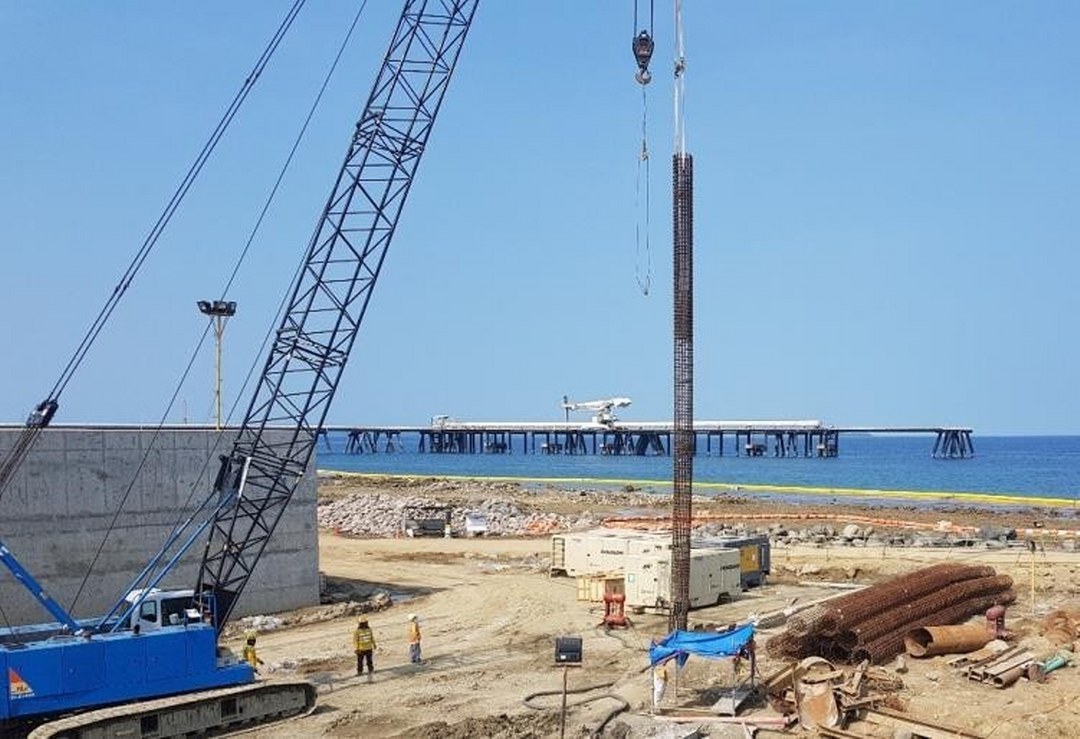
Installation Rebar-Cage
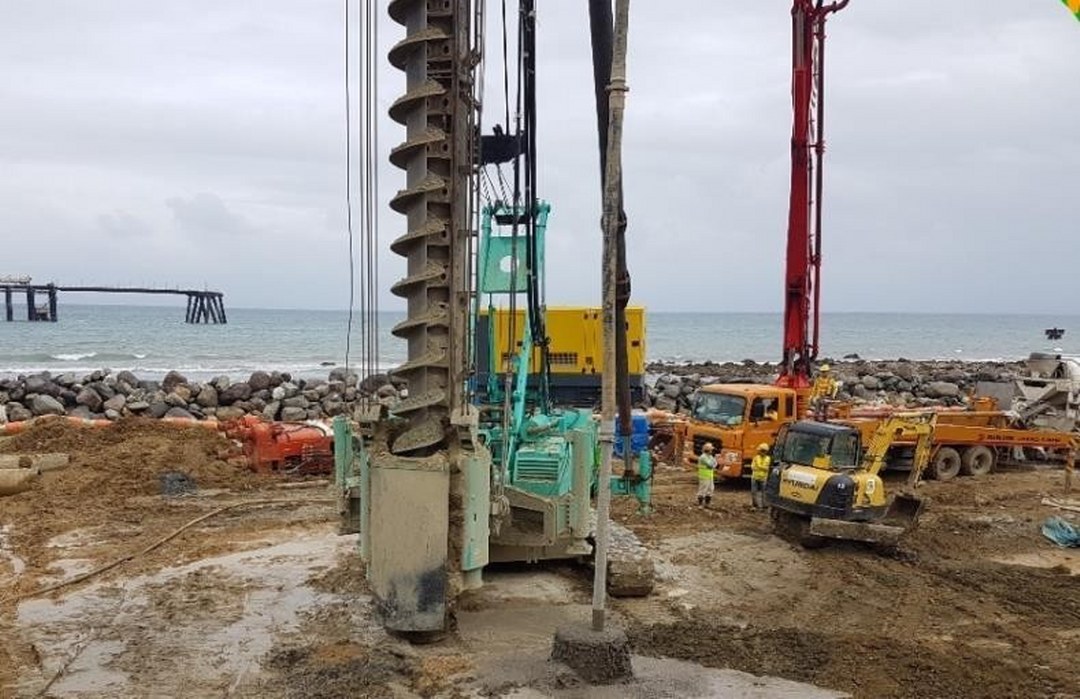
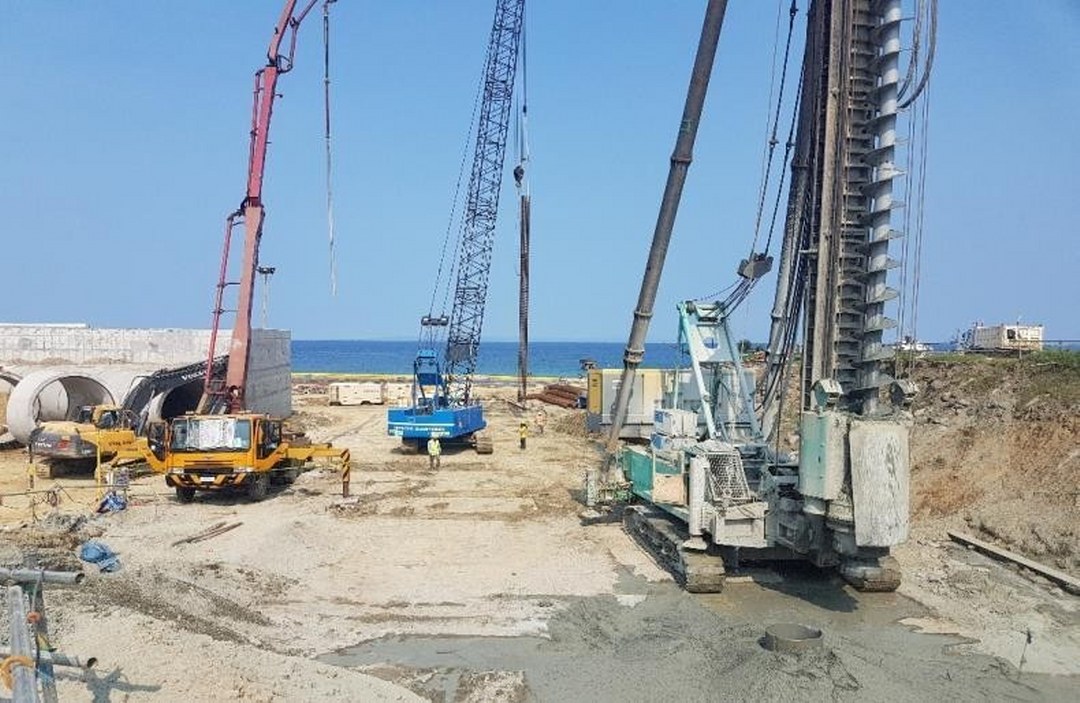
Concrete Pouring by Pumpcrete
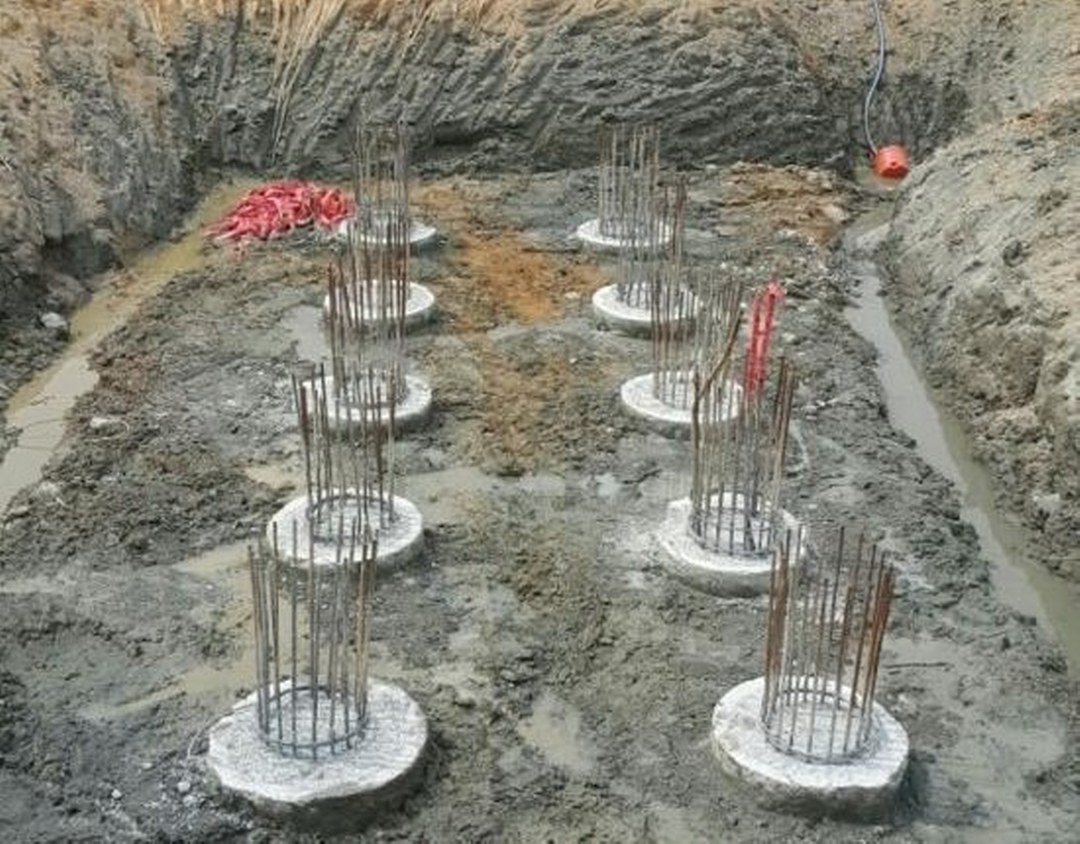
Pile Hand Treatment

  • Reverse Circulation Drill (RCD) Method

RCD drilling uses dual-tube drill rods with compressed air to create high pressure and prevent groundwater from entering the inner drill pipe.
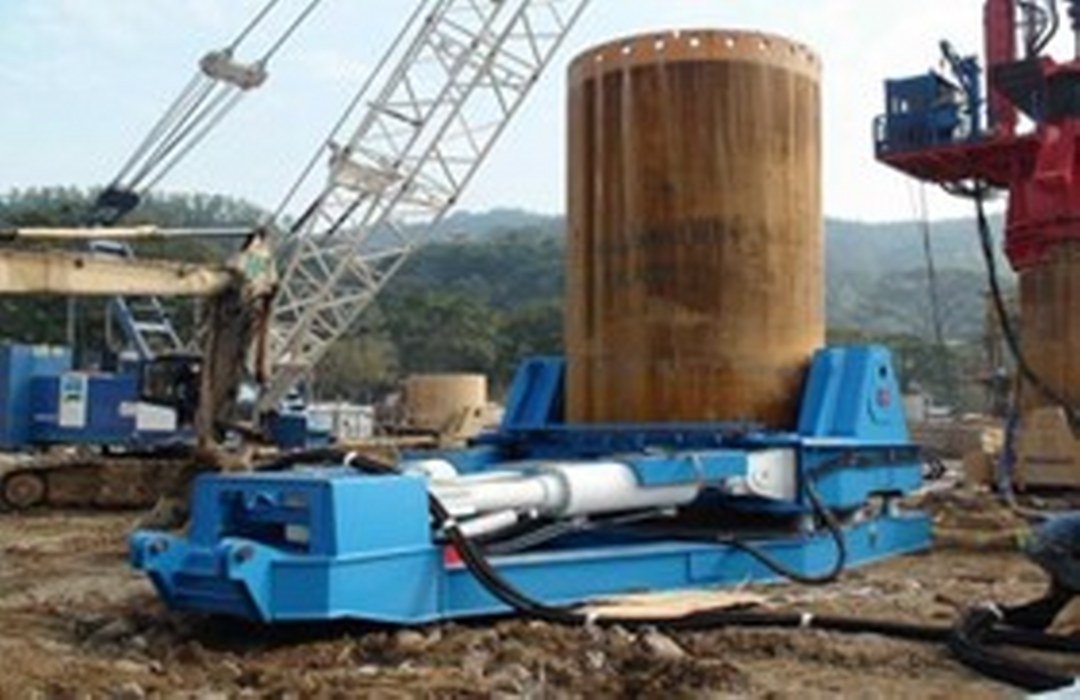
Installation Casing by Oscillator
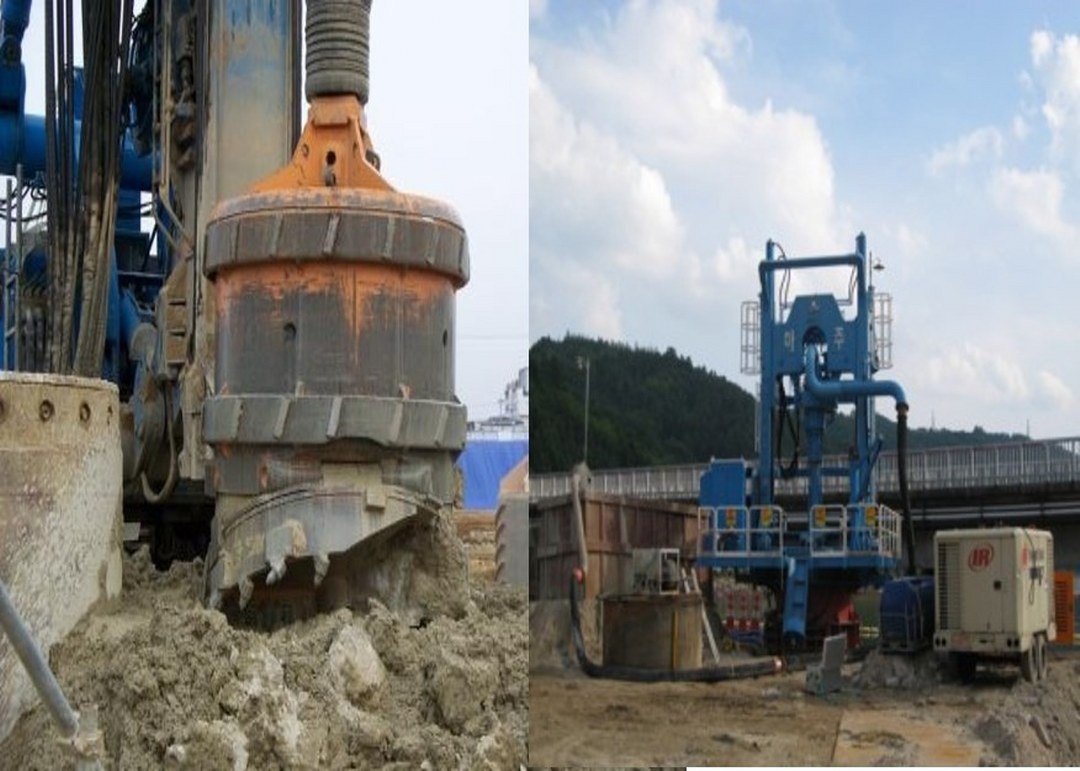
Drilling
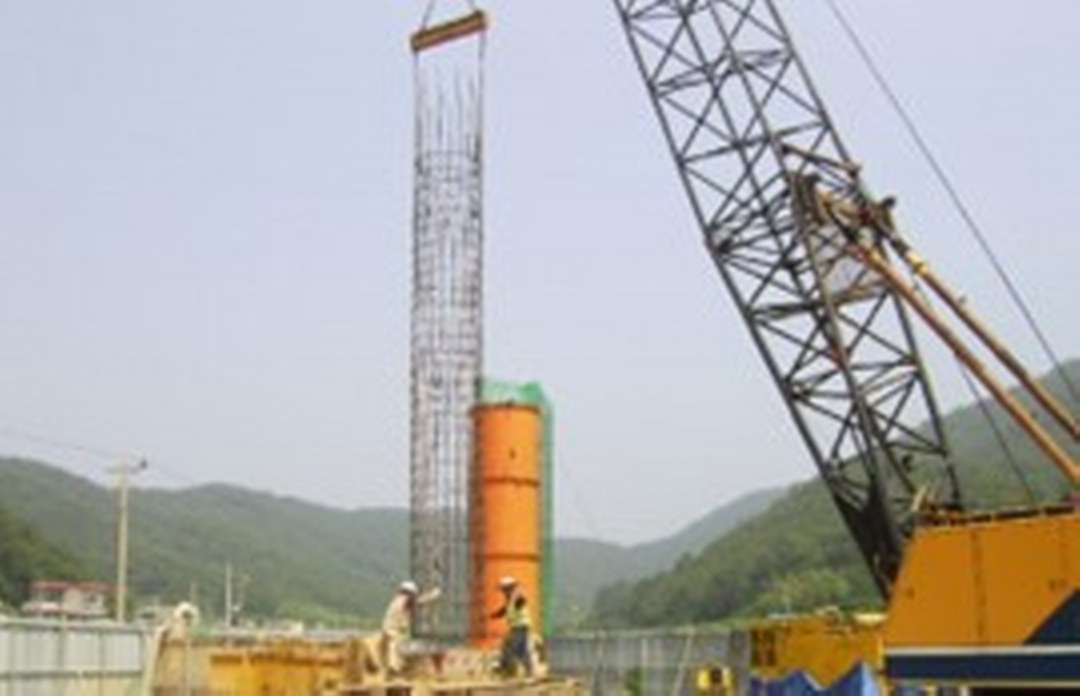
Installation Raber-Cage
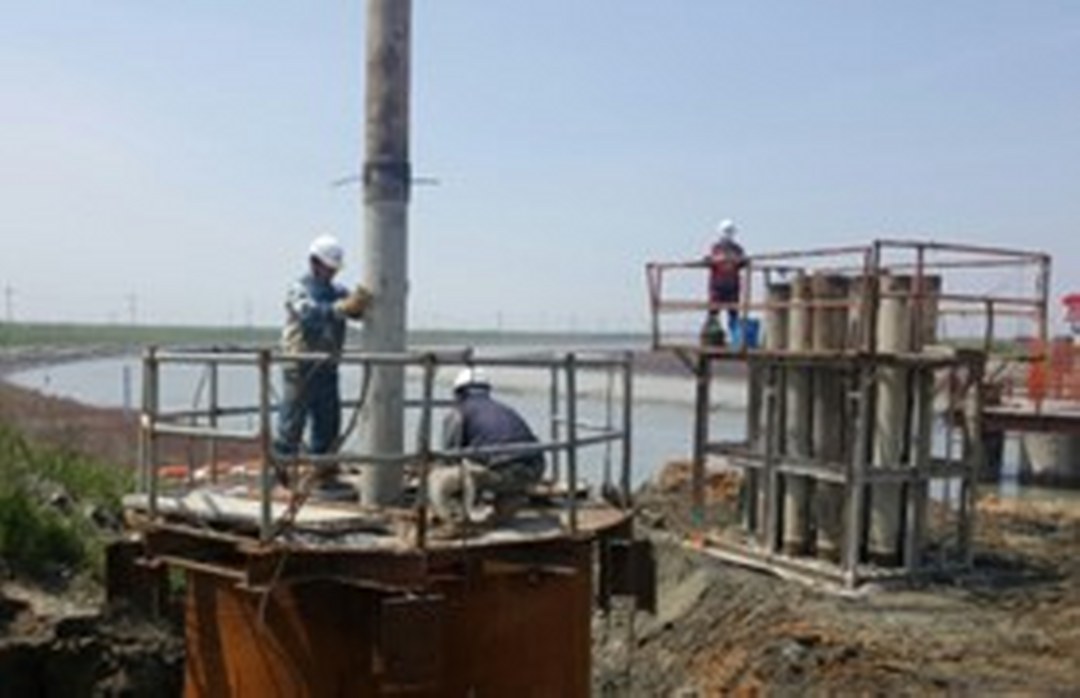
Concrete Pouring by Tremie Pipe
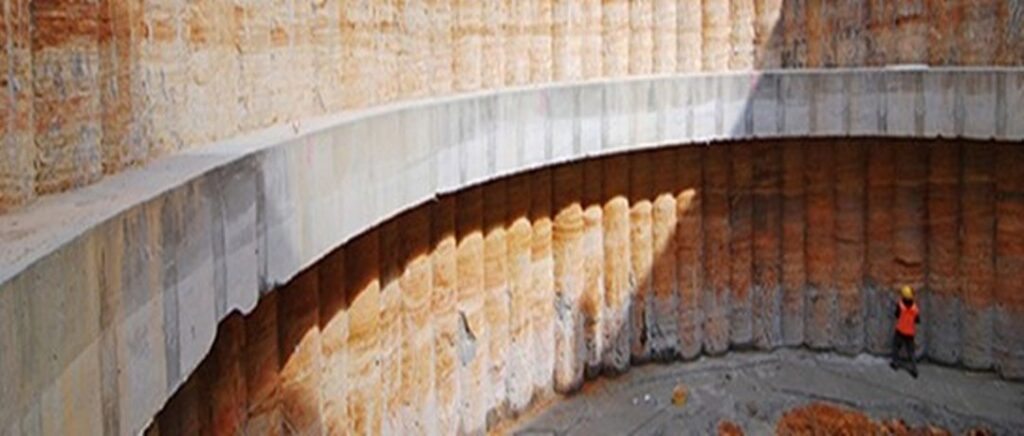
1.2. SECANT PILE

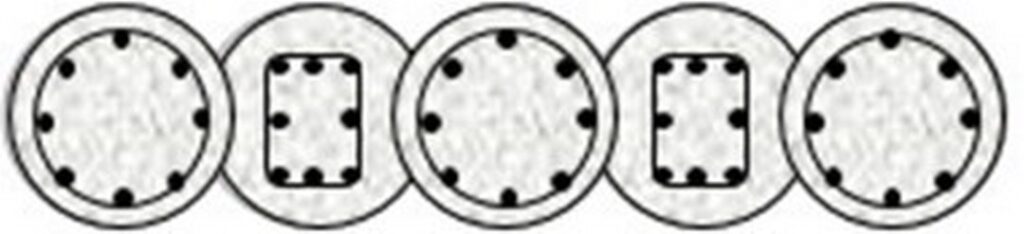
Secant pile wall design when steel beams are used involves the use of weaker than normal concrete. The pile that is lagging the wall between two main beams has to be examined for shear and compression arching.

There are various type of secant pile walls :

  • Tangent Pile Wall

Tangent pile walls are a variation of secant pile walls and soldier pile walls. However, tangent pile walls are constructed with no overlap, and ideally, one pile touches the other.

  • Secant Pile Wall – Hard/Soft or Hard/Firm
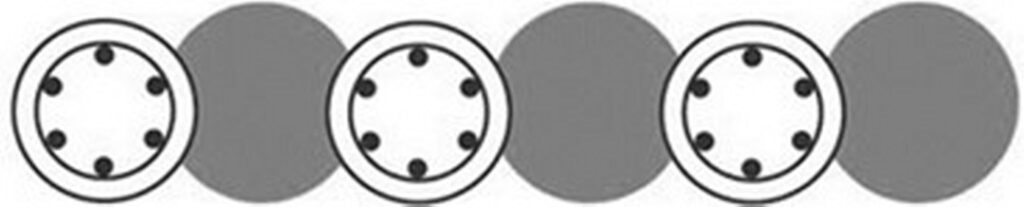
The most cost-effective and rapid solution for short-term water retention is a wall composed of interlocking, bored piles. Primary piles are constructed using a soft cement-bentonite mix or firm concrete, and secondary piles are installed between them with a typical interlock of 150mm.

  • Secant Wall – Hard/Hard

Hard/hard wall construction is similar to a hard/firm wall, but the primary piles are constructed in higher-strength concrete and may be reinforced. Heavy-duty rotary piling rigs are necessary to cut the secondary piles. The end product provides a fully concreted face and can be an effective alternative to diaphragm wall construction.

1.3. CONTROLLED MODULUS COLUMN - Rigid Inclusion

CMC is the preferred method of treatment for bridge abutments due to its speed of installation and ability to limit lateral soil and abutment pile movements. It is more cost-effective if designed as geotechnical elements to take all applied loads.

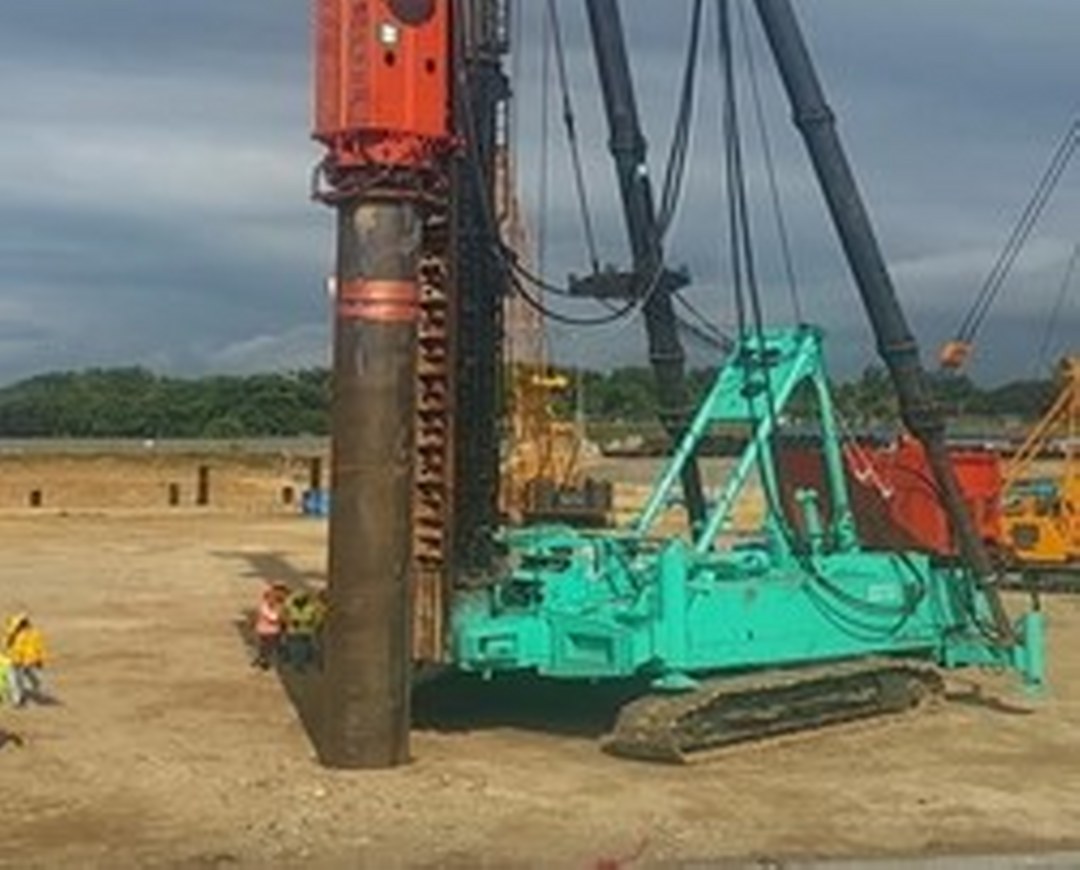
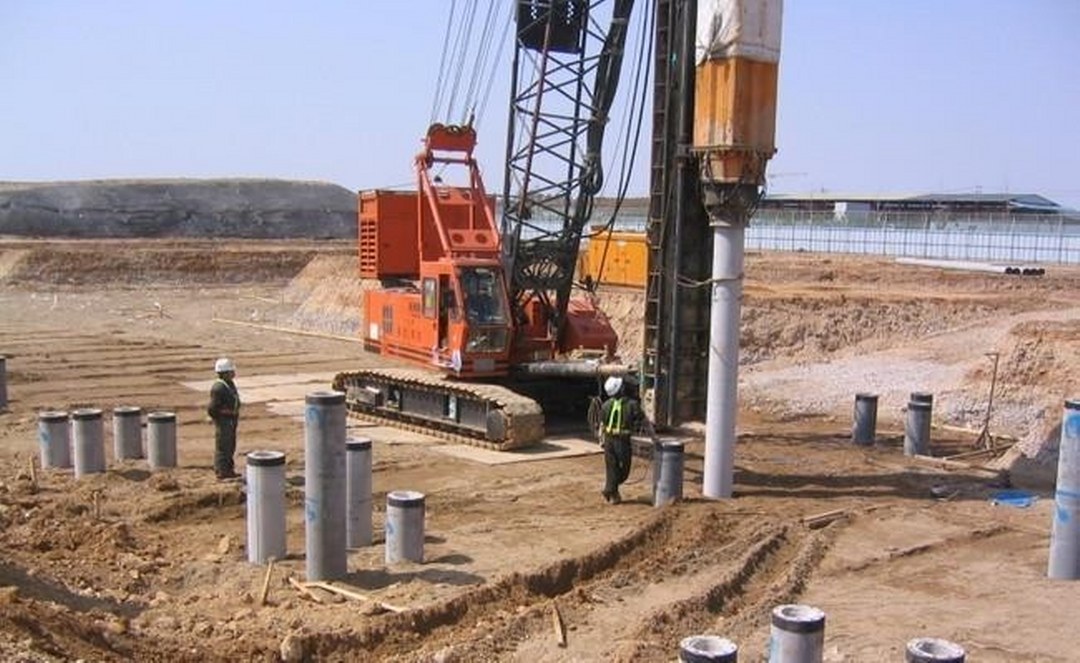
1.4. DRIVEN PILES: Steel Pipe Pile / Concrete Spun Pile / PHC Pile

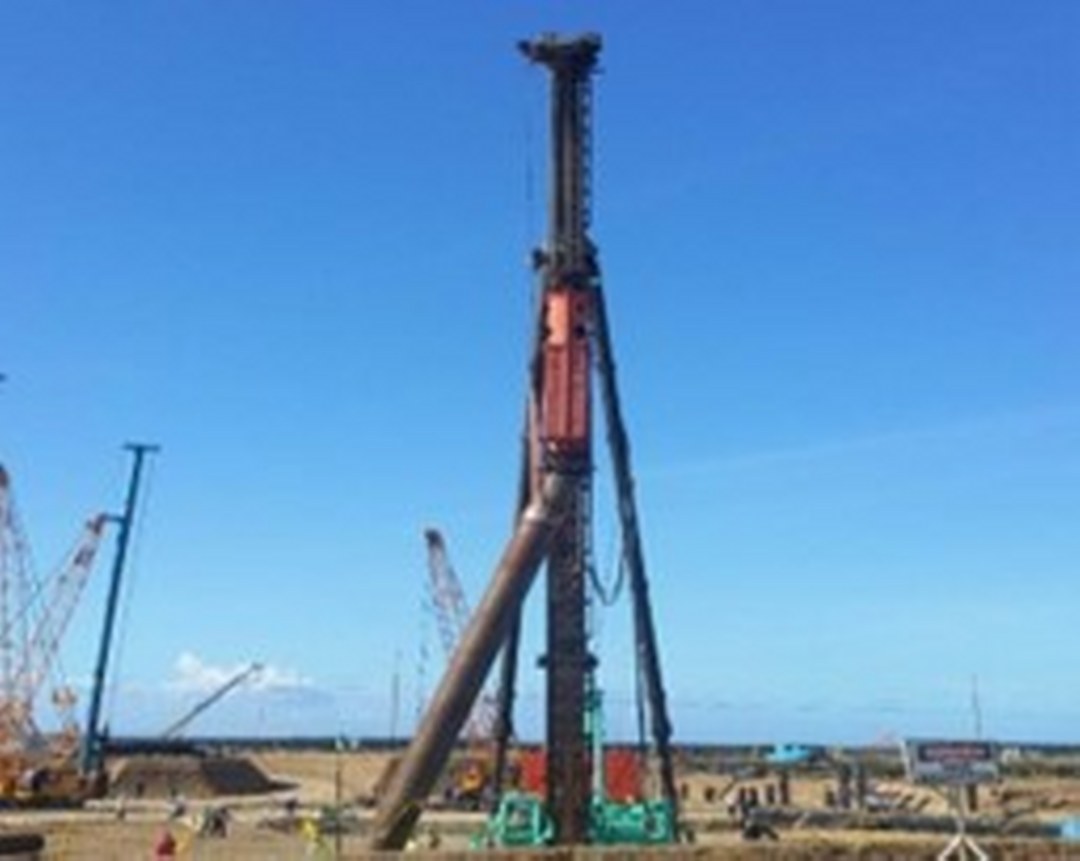
The demand for steel pipe piles and connection structures with higher strength and rigidity is increasing due to the development of piles with high bearing capacity and seismic forces. Work on upgrading or strengthening existing structures is often carried out under constrained conditions, and skilled labor has declined, leading to the development of various types of steel pipe piles and piling methods.

Pile Lifting

Piling by Hydraulic Hammer
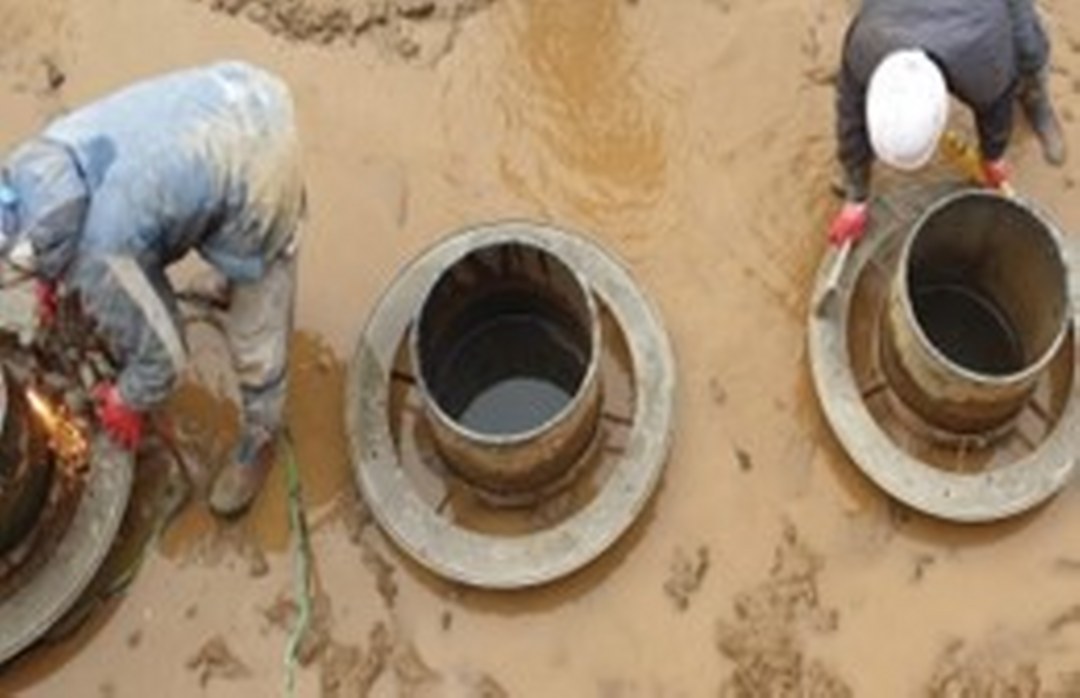
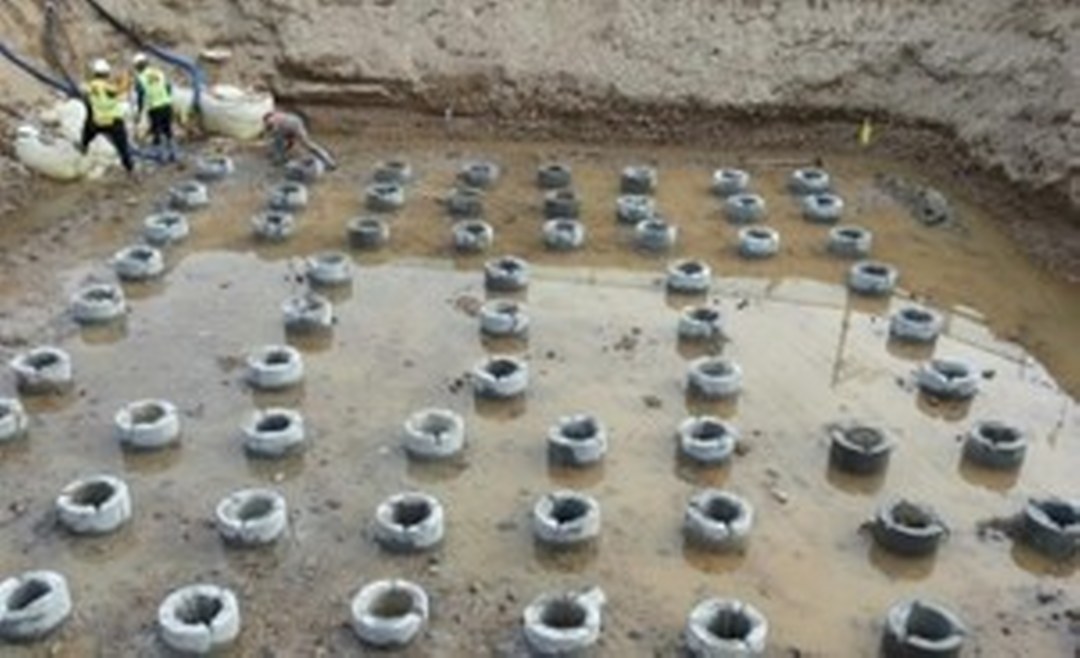
Pile Head Cut
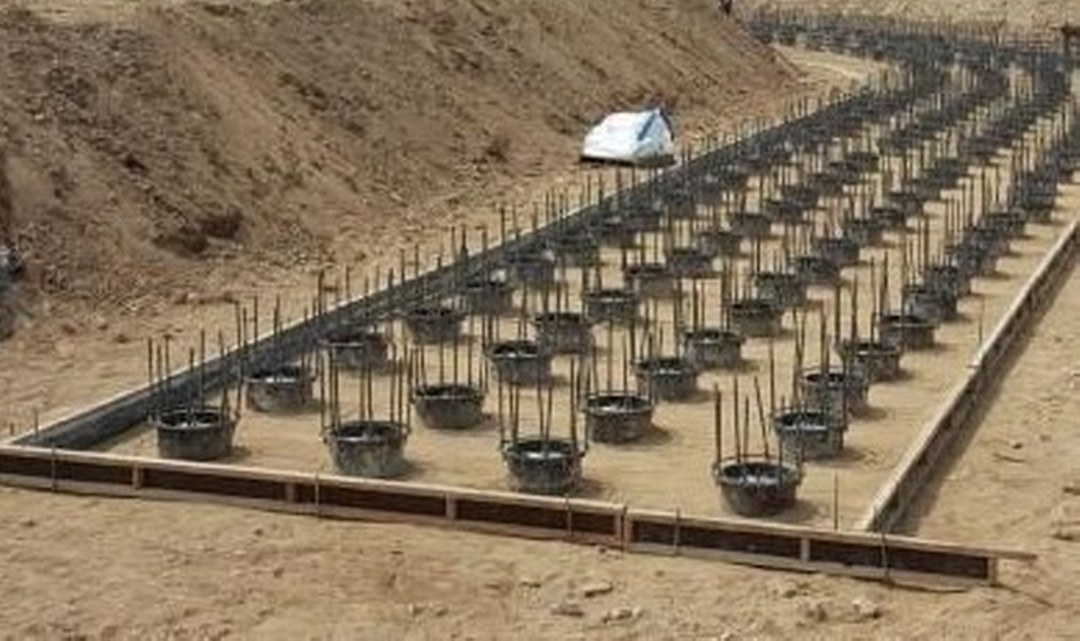
Pile Head Treatment
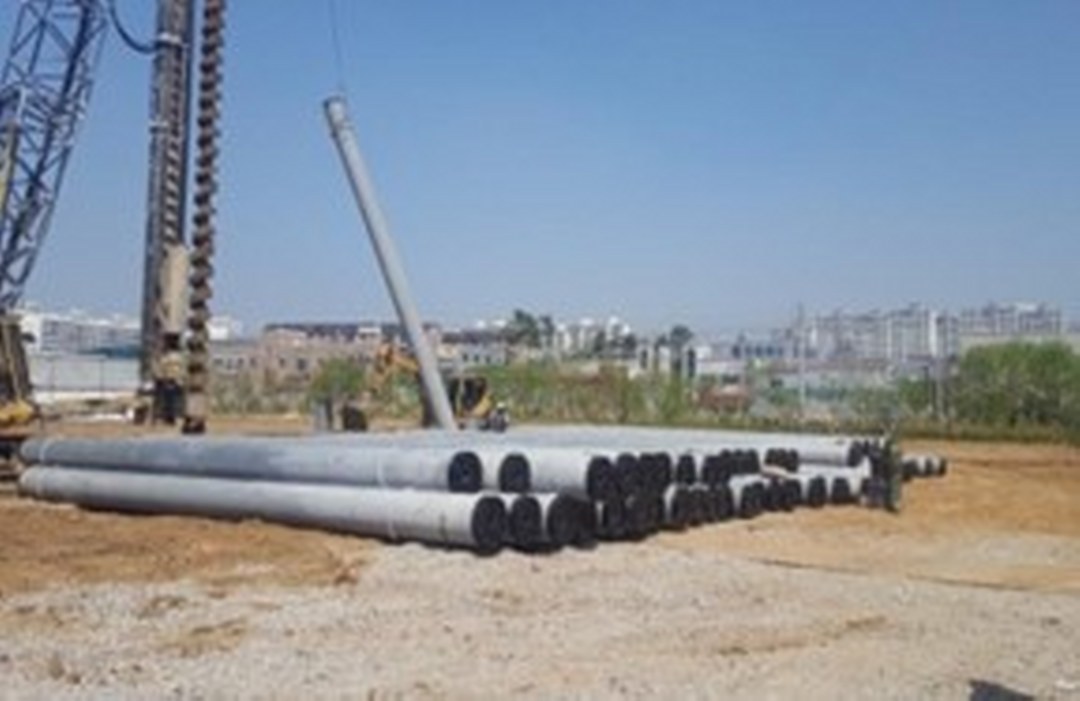
  • Driven Pile (Spun Pile)
Method Statement for Piling Works
a. Sequence of works
 
b. Preparation of the Piling Platform
 
c. Setting Out
   Surveillance stations and TBMs must be established near the project location to protect against disturbance and damage. Setting out piling points must comply with the pile layout plan and be jointly surveyed. Two perpendicular offsets must be taken from each pile point. 
 
d. Trial Pile and Test Pile 
   Before the main piling operation, the trial pile will be driven for each pile cap or piling point. The proposed location of the trial pile shall be as shown in the contract document. These piles will be driven with the same hammer that is to be used in the maim piling operation. The PDA test will be as directed by the S.O.
 
e. Pilling Plant 
   Will be divided into several parts
e.1)Crawler Piling Frames- 1 no per team
e.2)Hydraulic Hammer- 1 no per team
e.3)Welding Set- 1 no per team
 
f. Positioning of Pile
   The pile is winched up to the piling frame by a crane base, with a driving helmet attached to the top. When the pile tip is over the peg, it is lowered to sit on the ground and the verticality and rake are checked and adjusted.
 

Pile Lifting

Driven Pile by Hydraulic Hammer
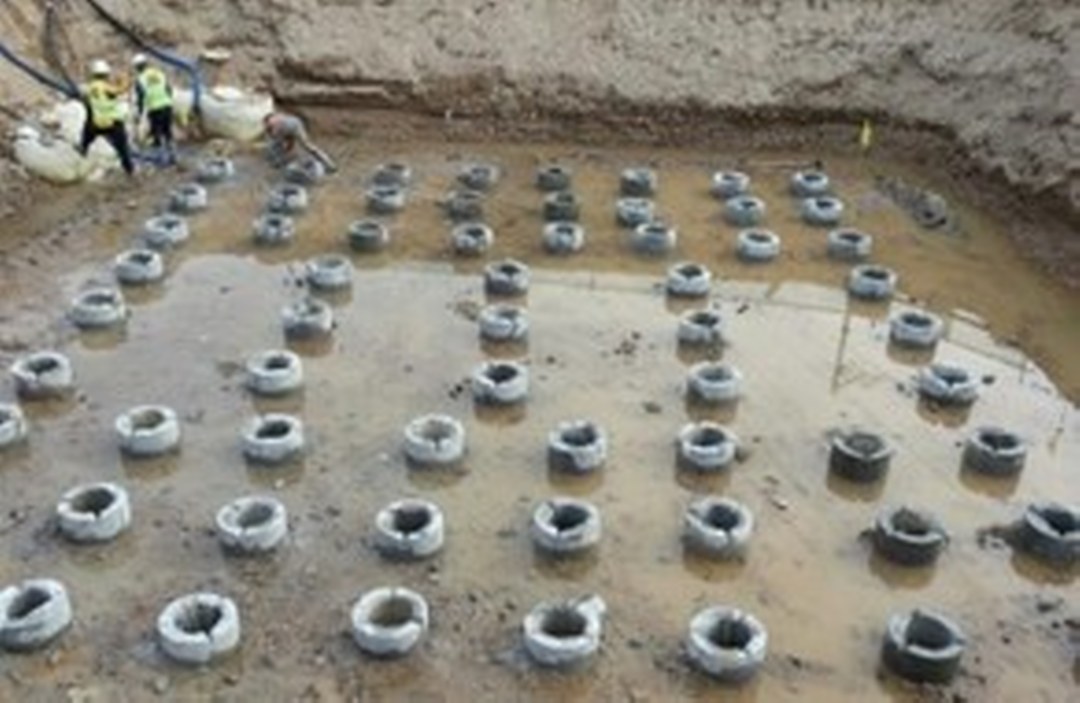
Pile Head Cut
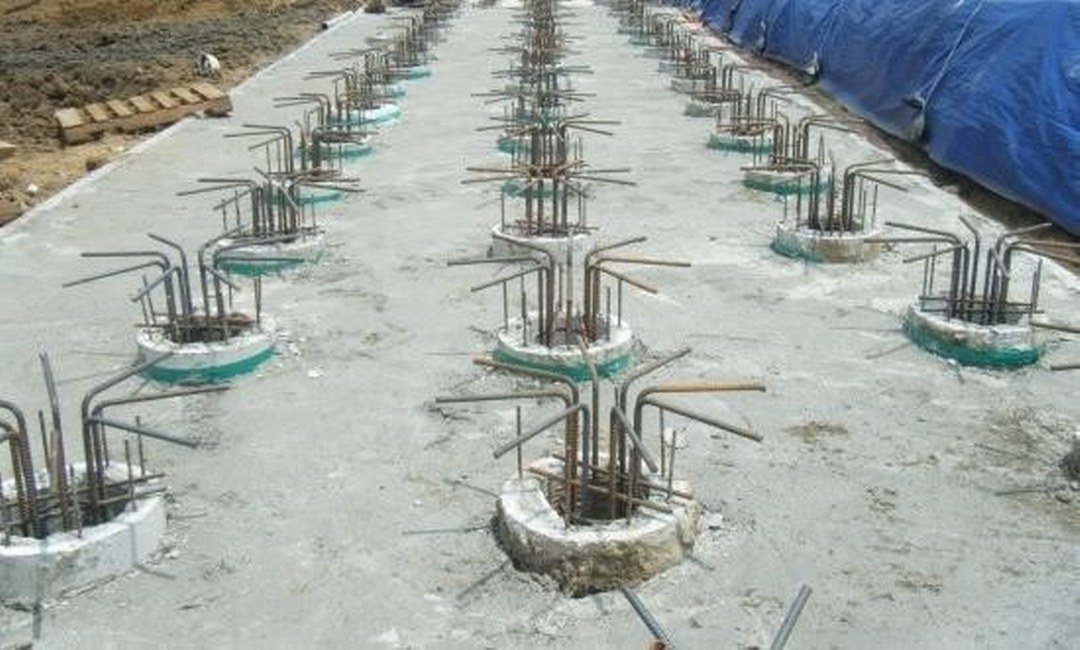
Pile Head Treatment
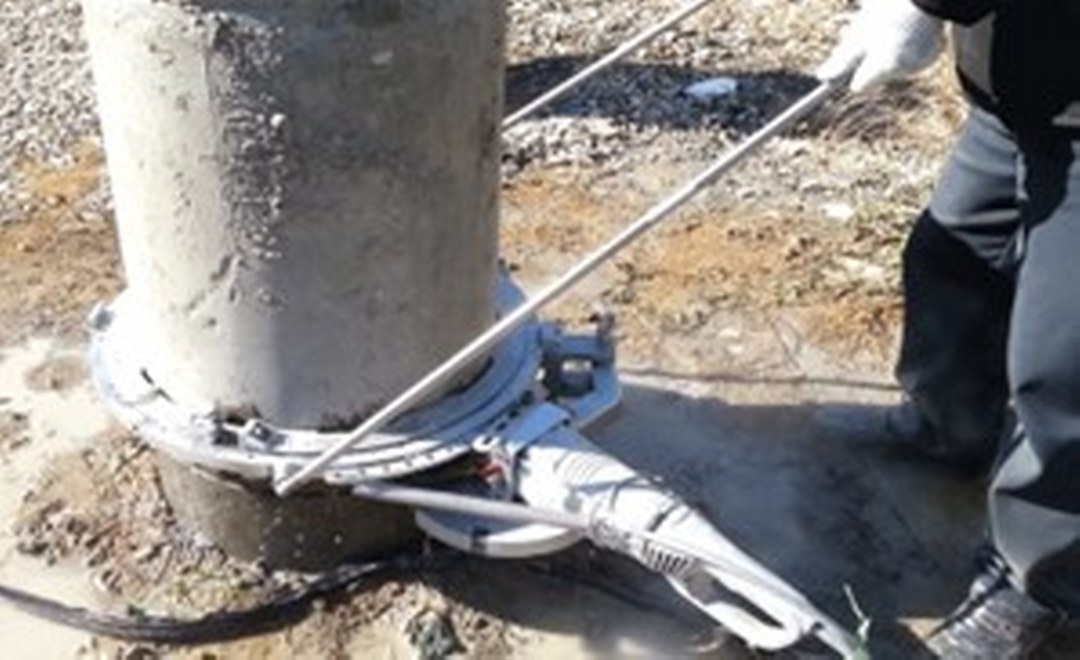
  • Pile Head Cutting

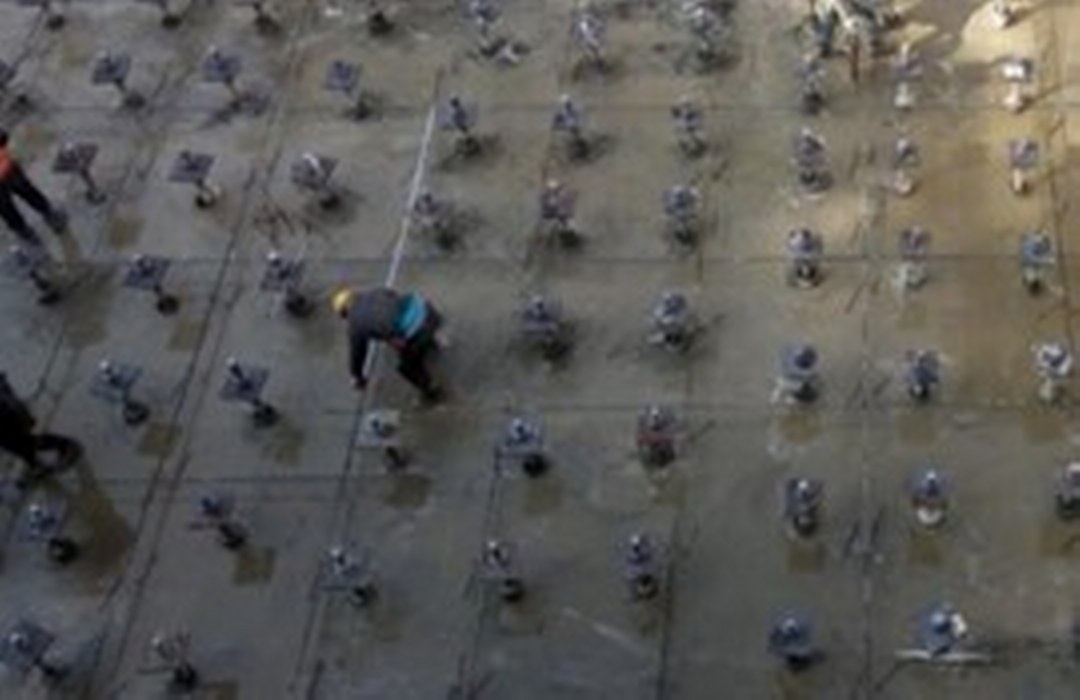
Pile head cutting work is essential for the stable transfer of an upper structure load to the ground, using PHC piles embedded in the ground.

Pile Head Cut

1.5. MICRO PILES

Micro piles are used to transfer structural loads to bearing strata, often in situations of restricted access and limited headroom.

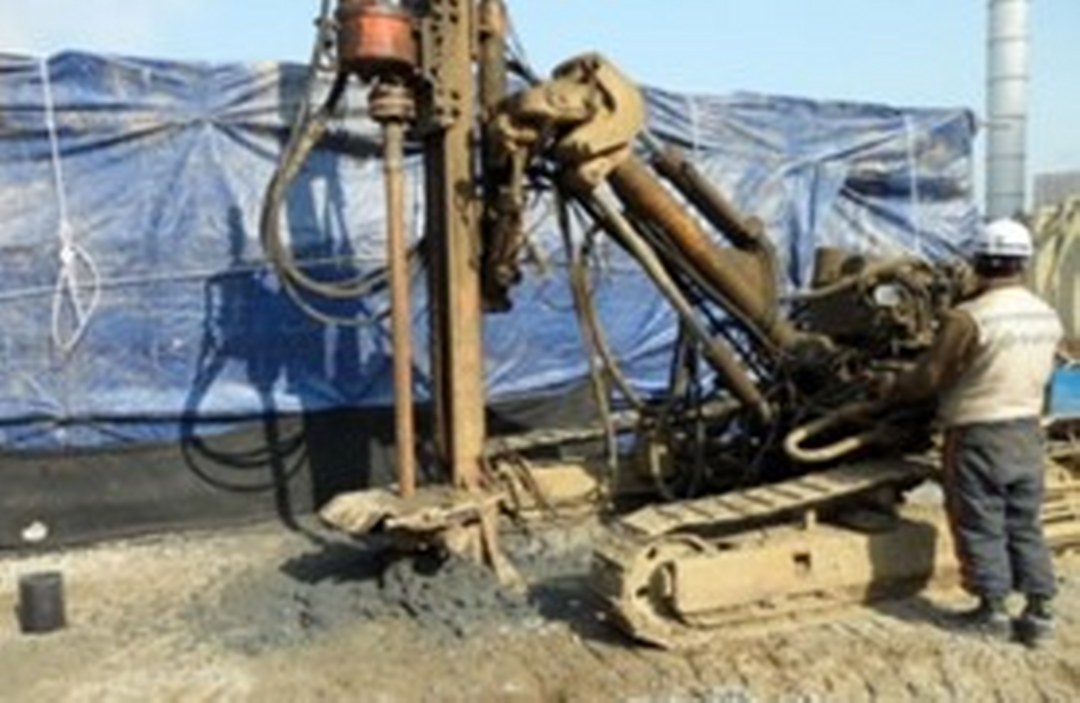
Drilling

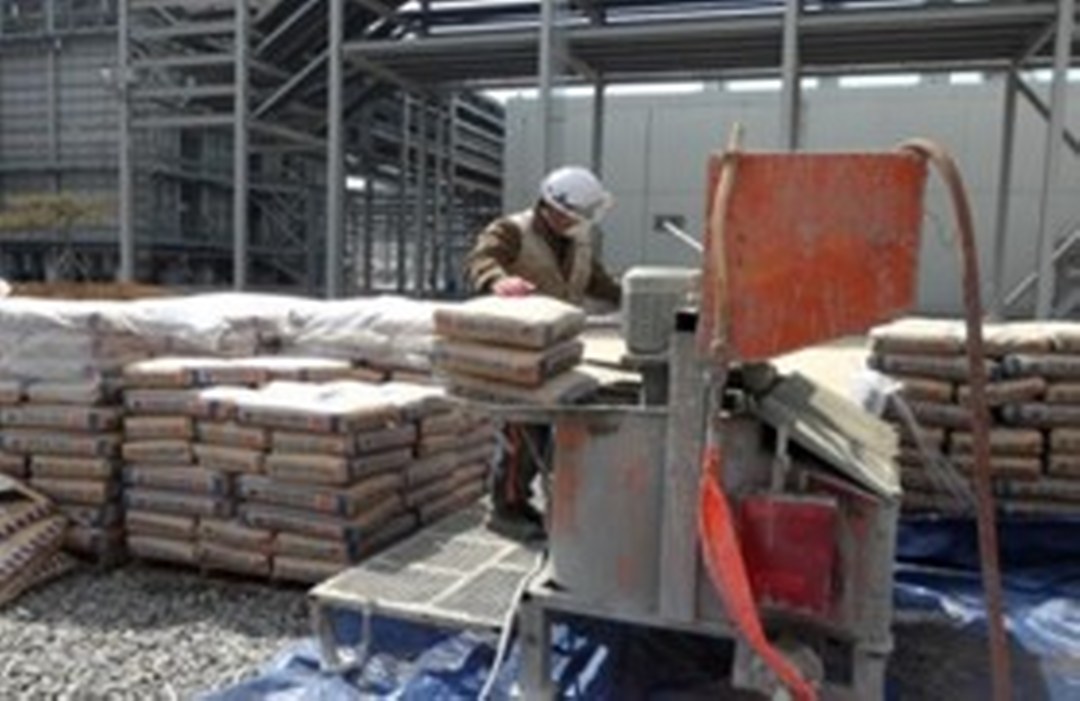
Cement Mixing

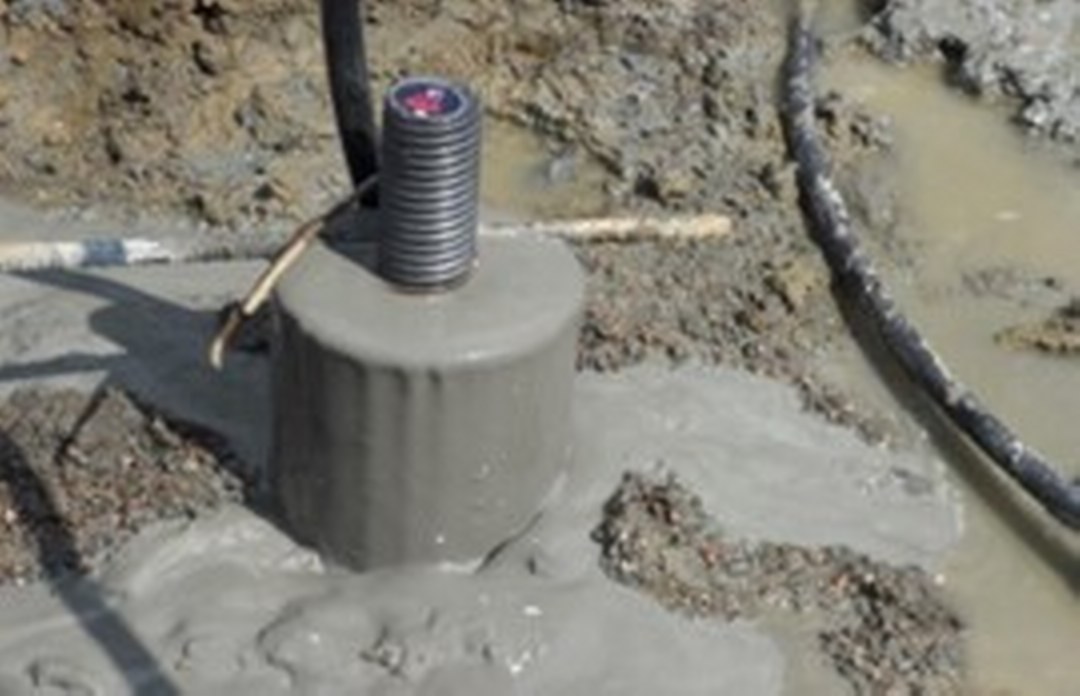
Cement Grouting
Pile Head Reinforcement