


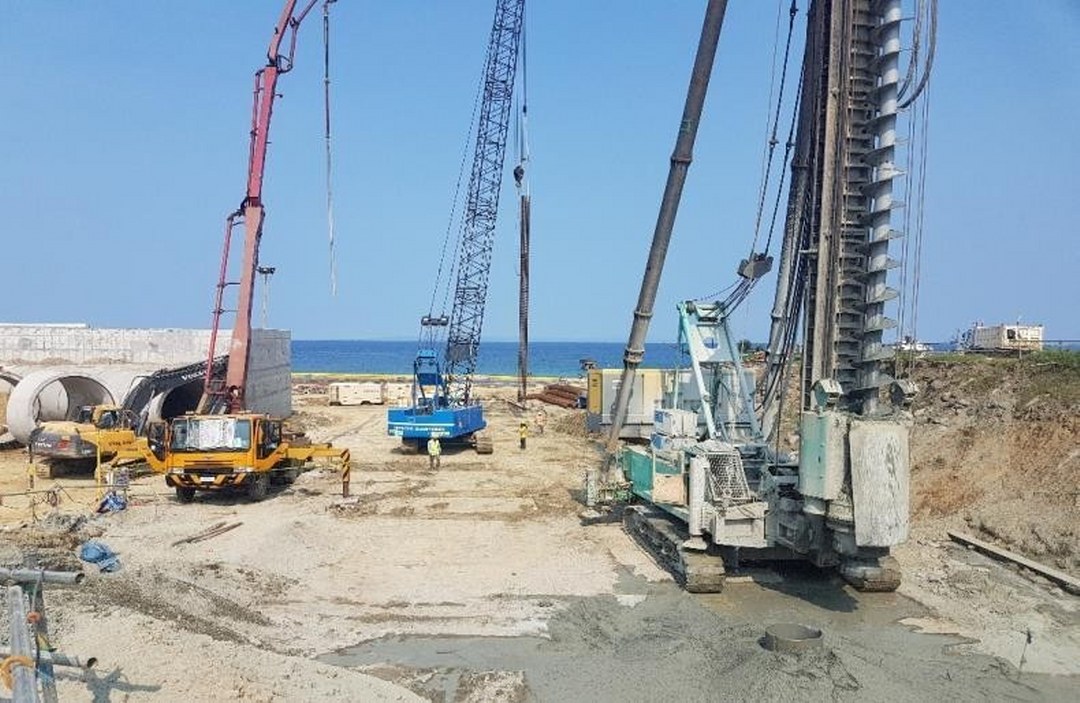
Drilling by Air Hammer
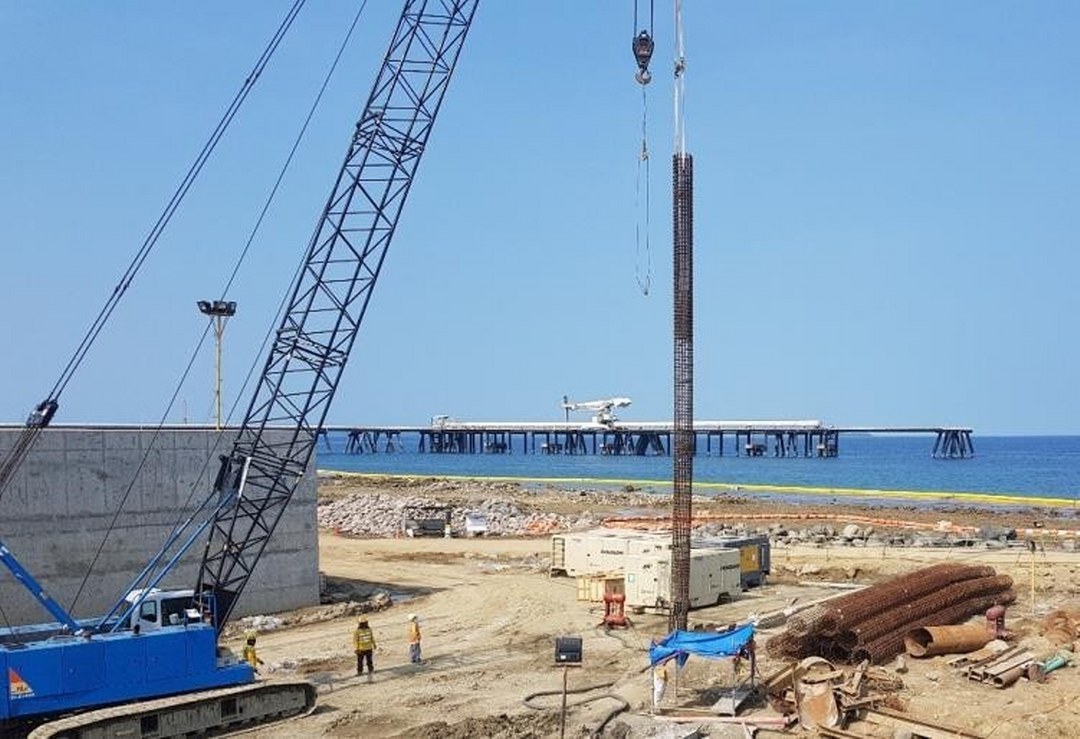
Installation Rebar-Cage
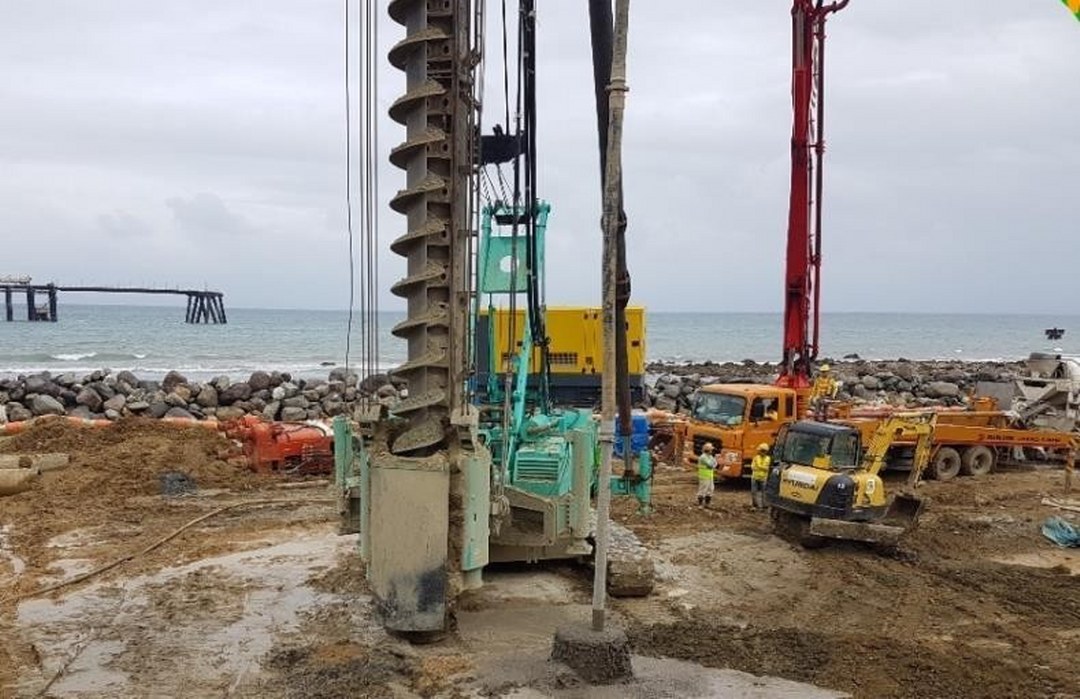
Concrete Pouring by Pumpcrete
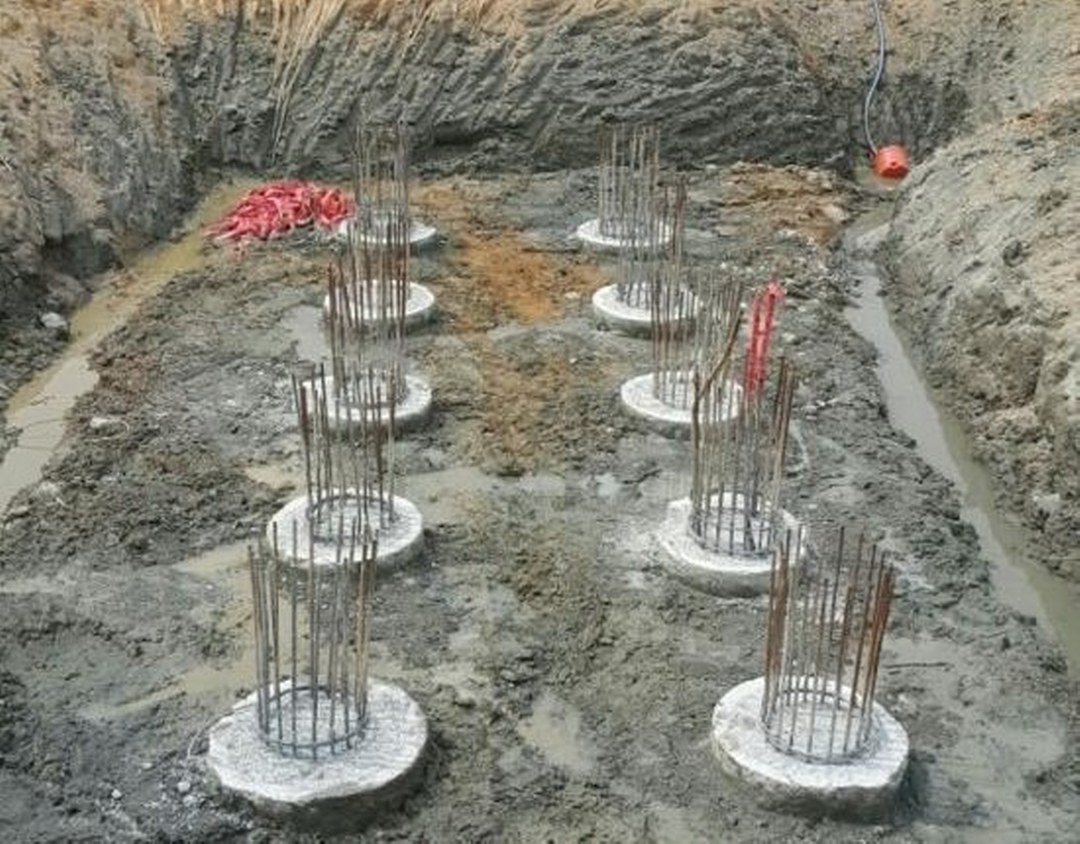
Pile Hand Treatment
- Reverse Circulation Drill (RCD) Method

RCD drilling uses dual-tube drill rods with compressed air to create high pressure and prevent groundwater from entering the inner drill pipe.
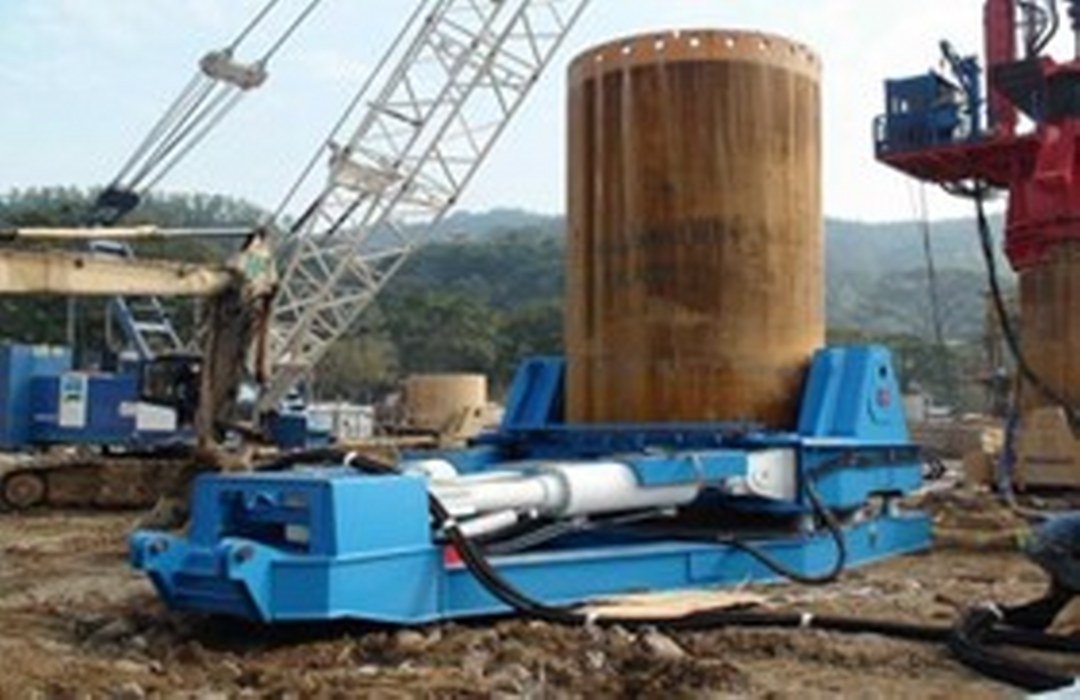
Installation Casing by Oscillator
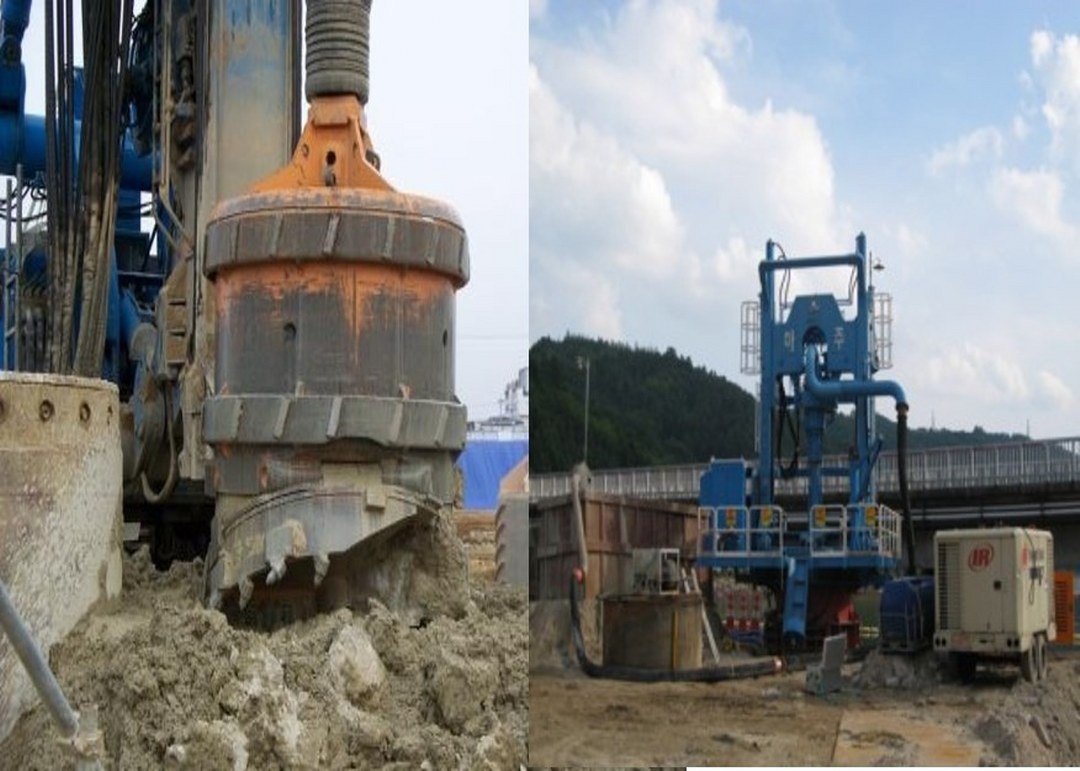
Drilling
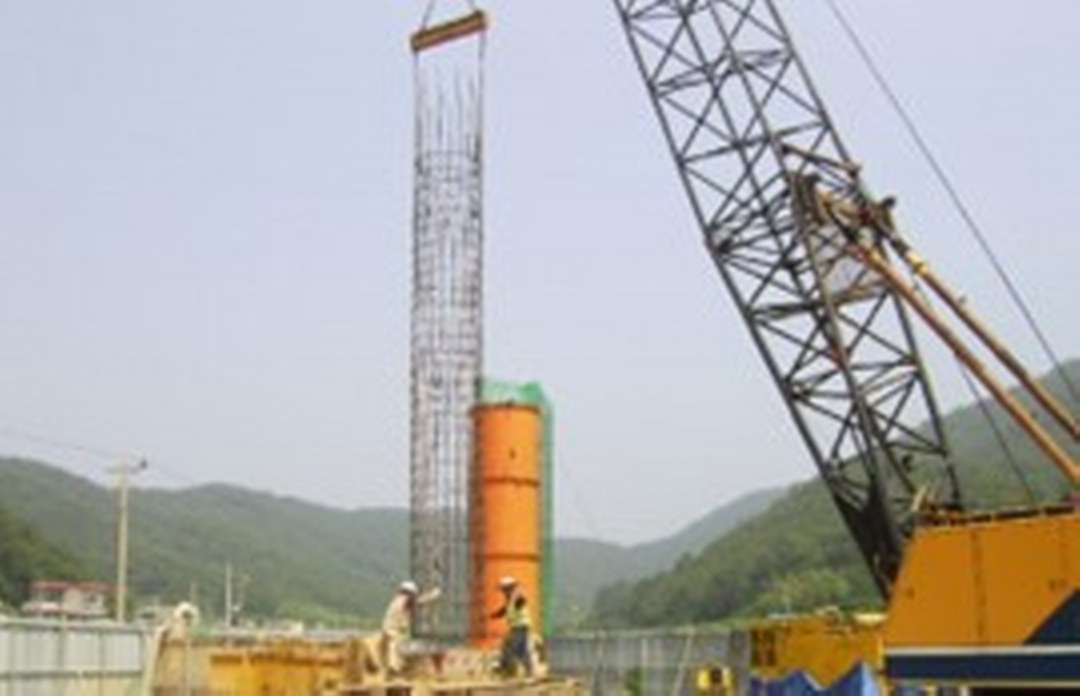
Installation Raber-Cage
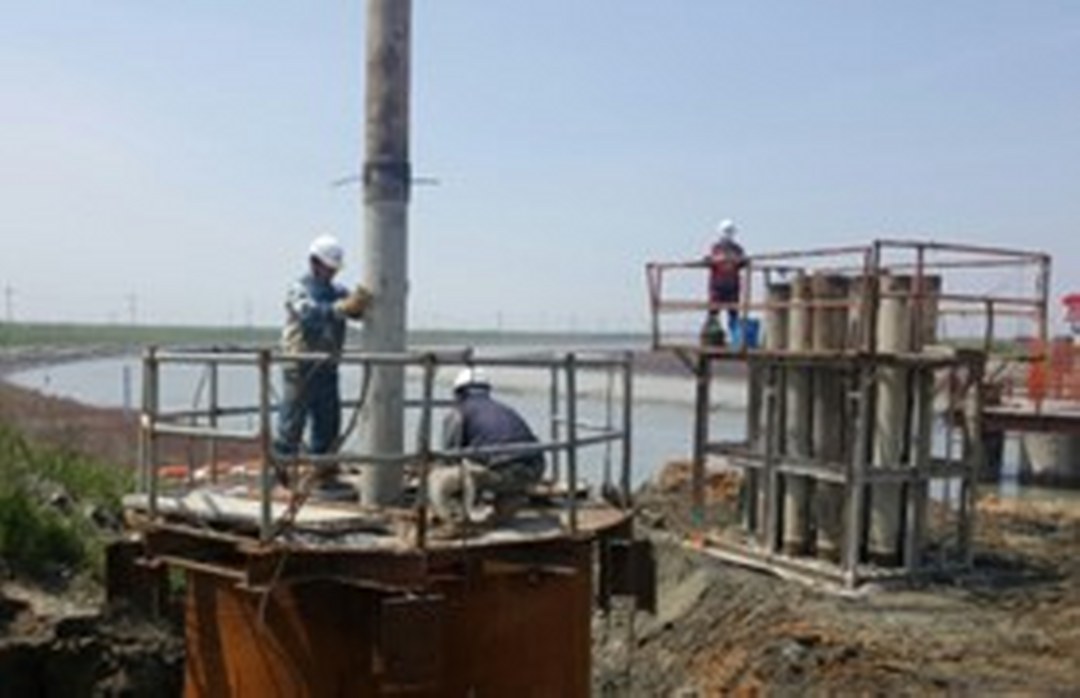
Concrete Pouring by Tremie Pipe
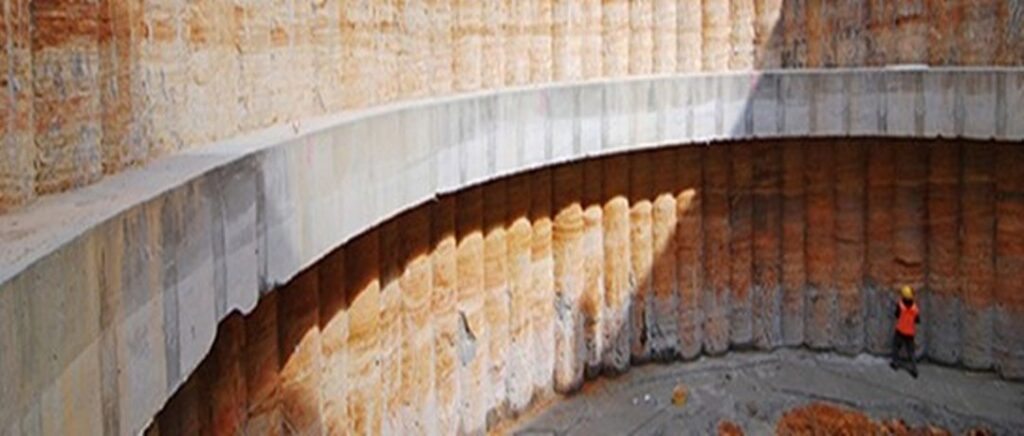
Secant pile wall design when steel beams are used involves the use of weaker than normal concrete. The pile that is lagging the wall between two main beams has to be examined for shear and compression arching.

There are various type of secant pile walls :
- Tangent Pile Wall

Tangent pile walls are a variation of secant pile walls and soldier pile walls. However, tangent pile walls are constructed with no overlap, and ideally, one pile touches the other.
- Secant Pile Wall – Hard/Soft or Hard/Firm
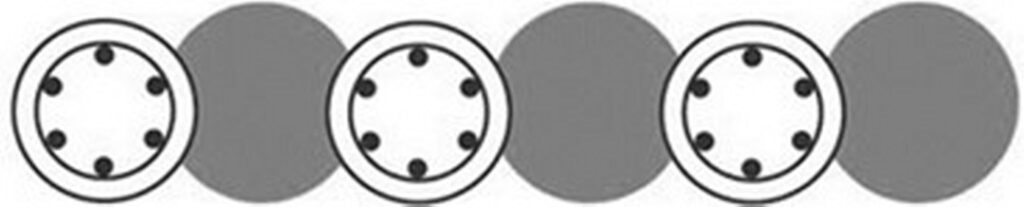
The most cost-effective and rapid solution for short-term water retention is a wall composed of interlocking, bored piles. Primary piles are constructed using a soft cement-bentonite mix or firm concrete, and secondary piles are installed between them with a typical interlock of 150mm.
- Secant Wall – Hard/Hard
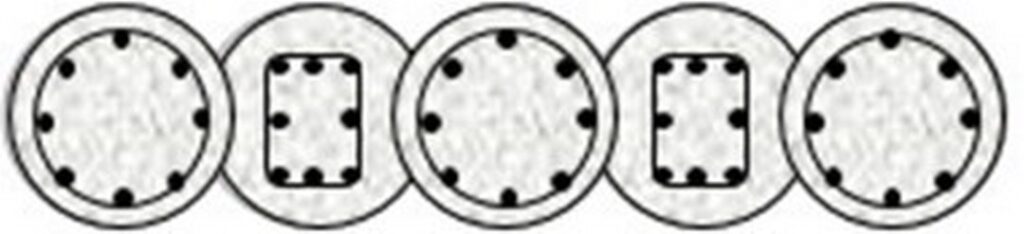
Hard/hard wall construction is similar to a hard/firm wall, but the primary piles are constructed in higher-strength concrete and may be reinforced. Heavy-duty rotary piling rigs are necessary to cut the secondary piles. The end product provides a fully concreted face and can be an effective alternative to diaphragm wall construction.

CMC is the preferred method of treatment for bridge abutments due to its speed of installation and ability to limit lateral soil and abutment pile movements. It is more cost-effective if designed as geotechnical elements to take all applied loads.

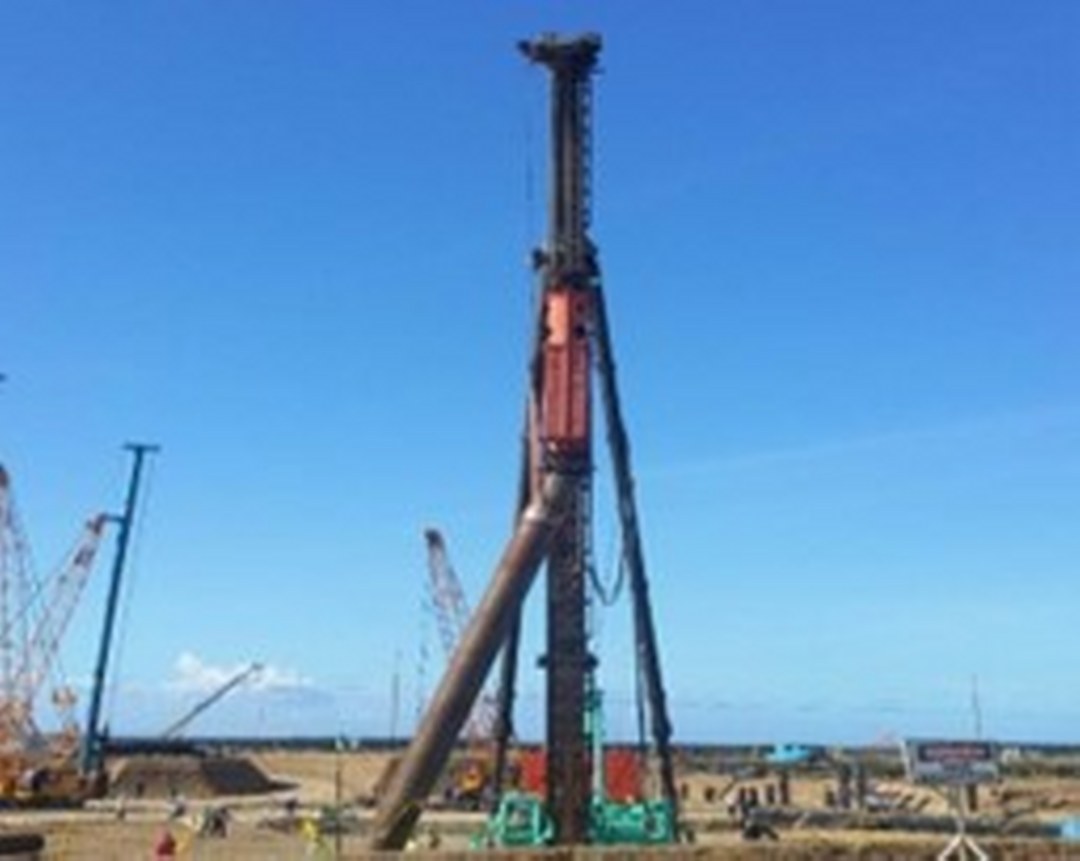
Pile Lifting
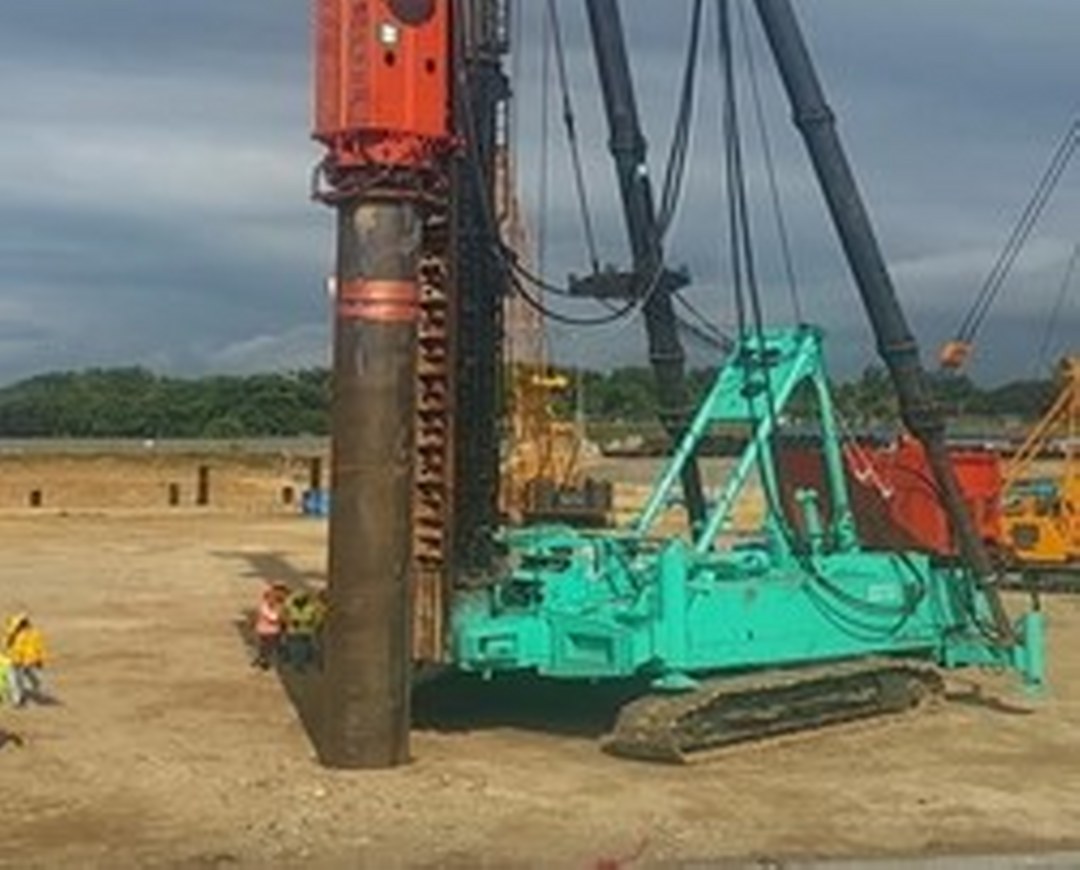
Piling by Hydraulic Hammer
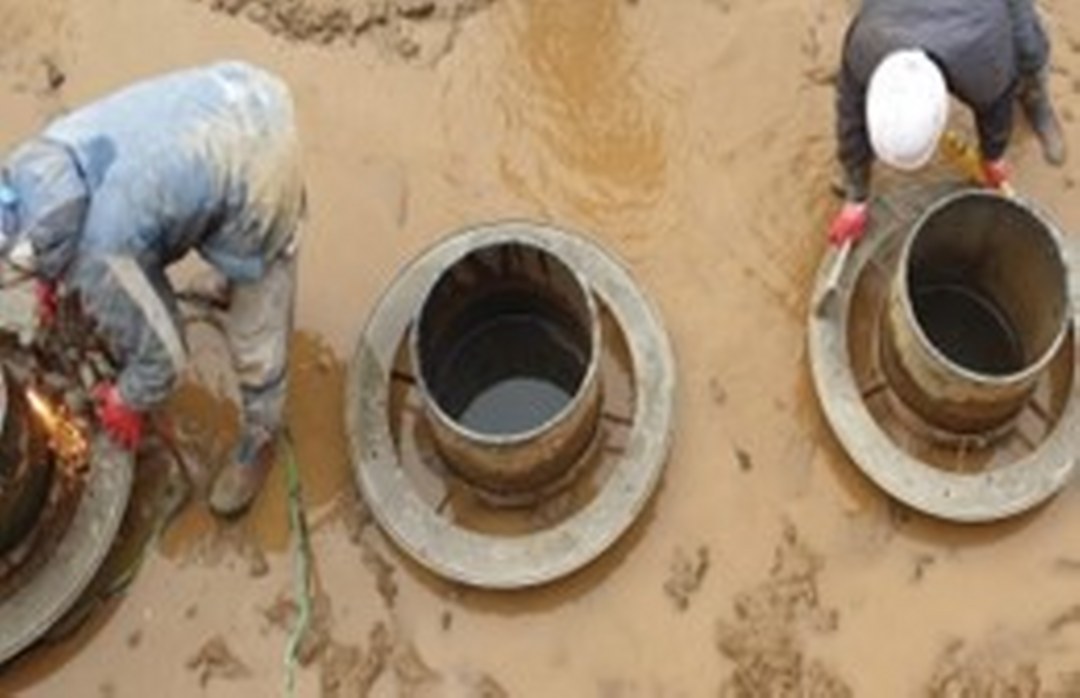
Pile Head Cut
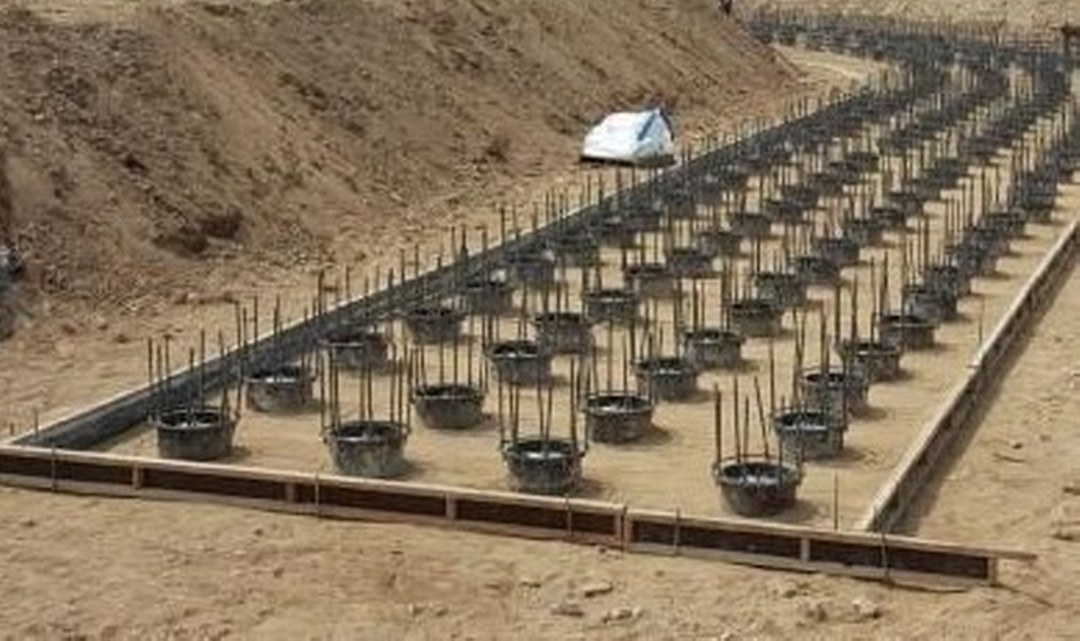
Pile Head Treatment
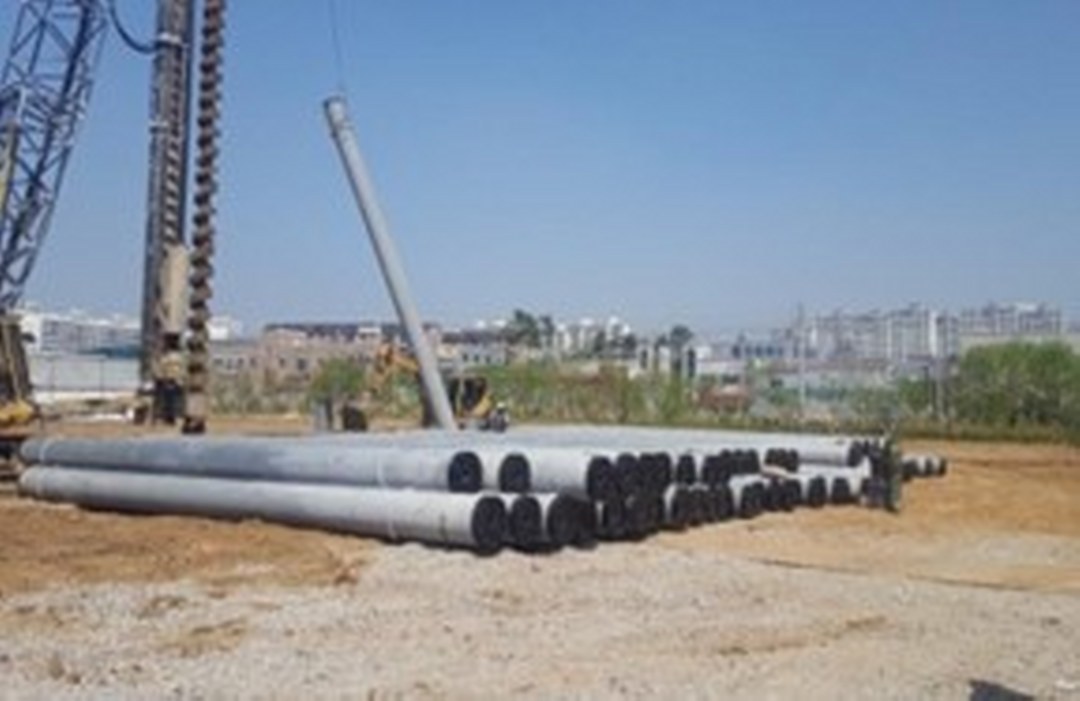
Pile Lifting
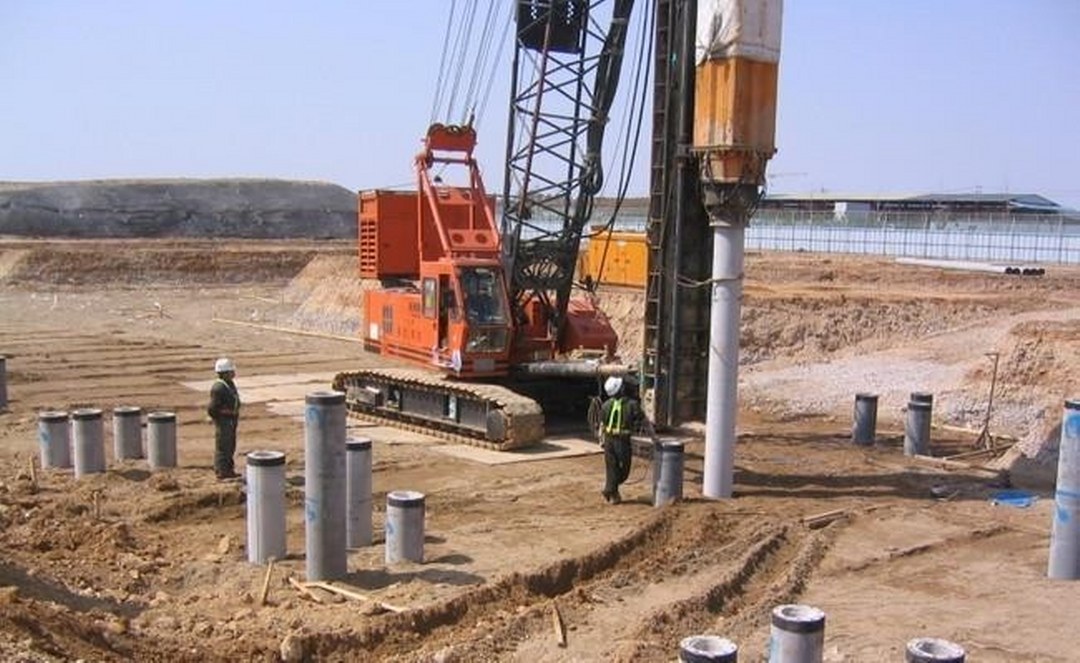
Driven Pile by Hydraulic Hammer
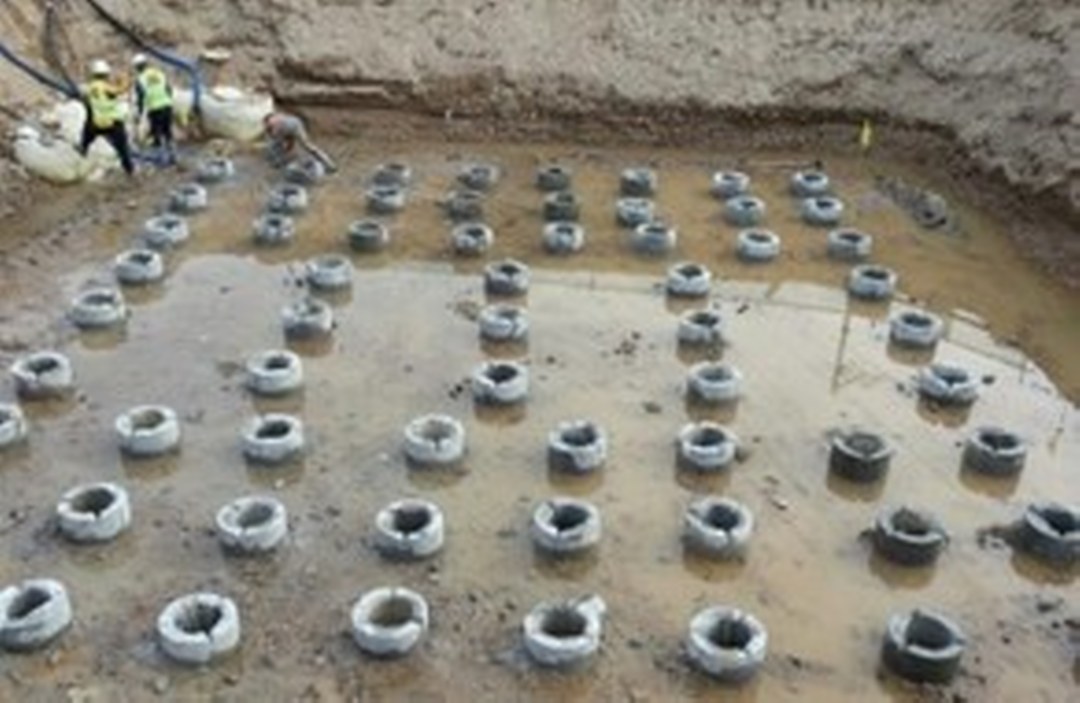
Pile Head Cut
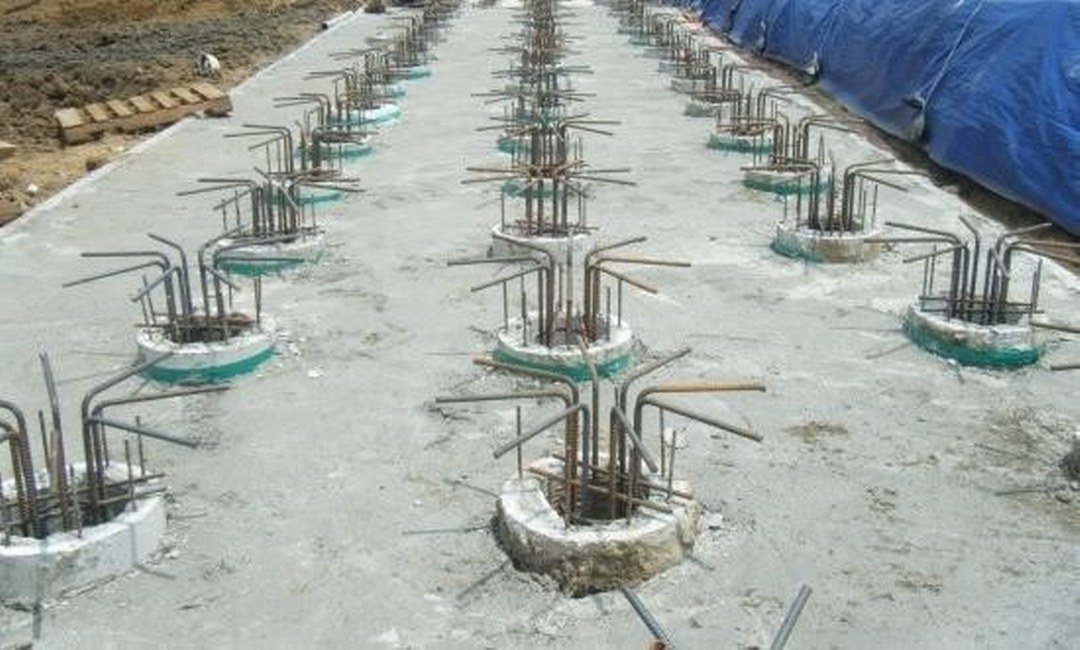
Pile Head Treatment
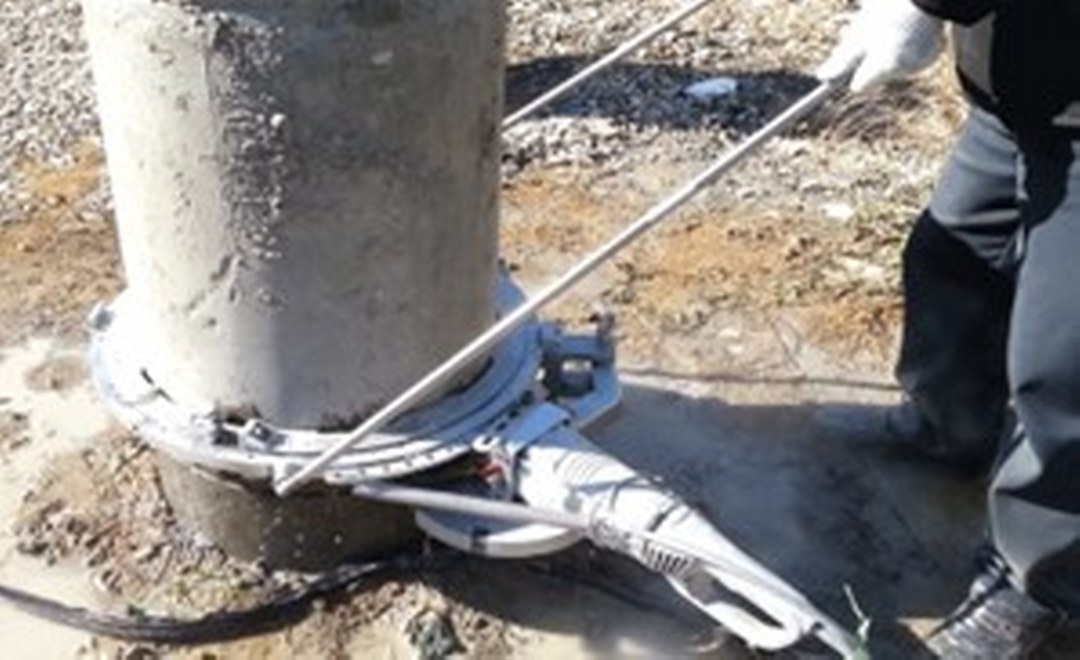
Pile Head Cut
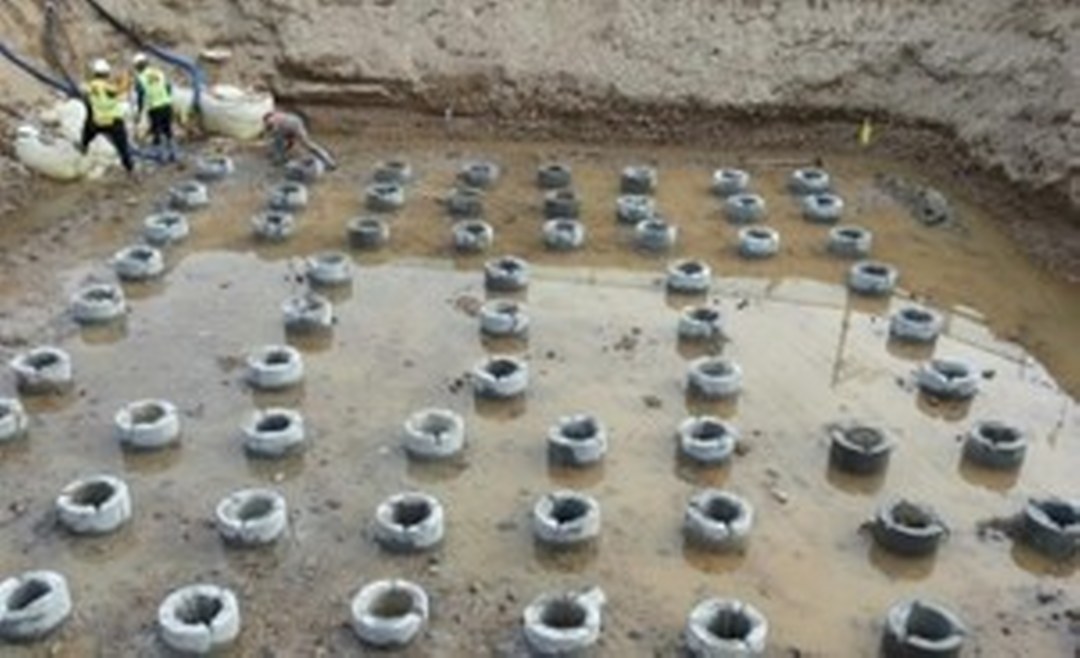
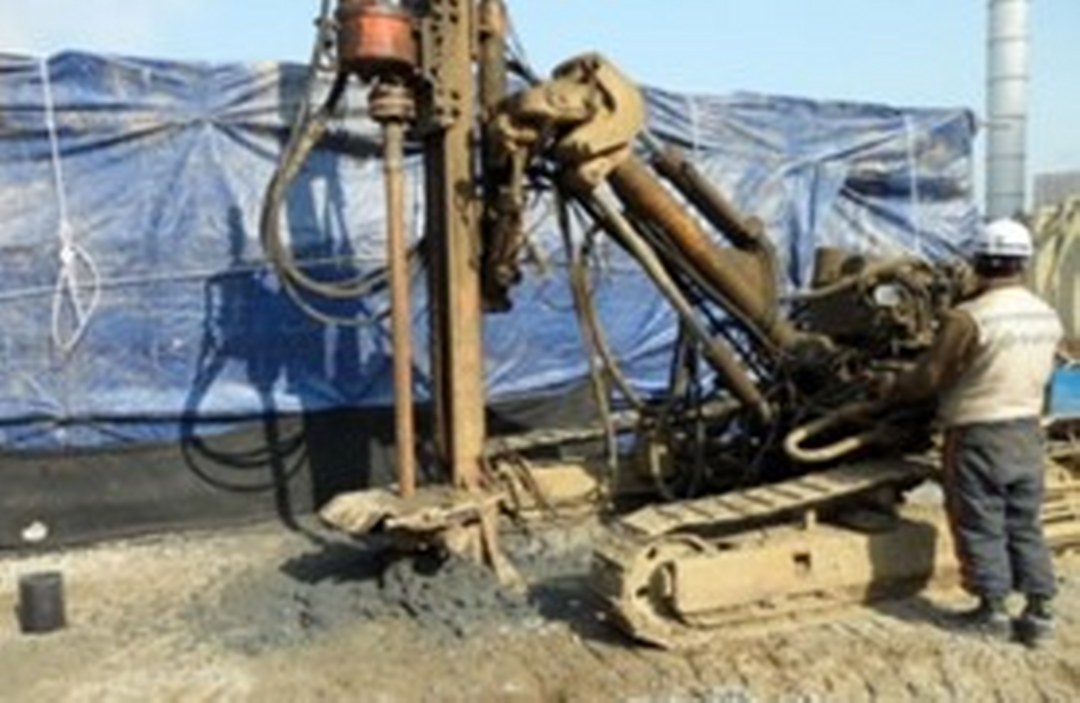
Drilling
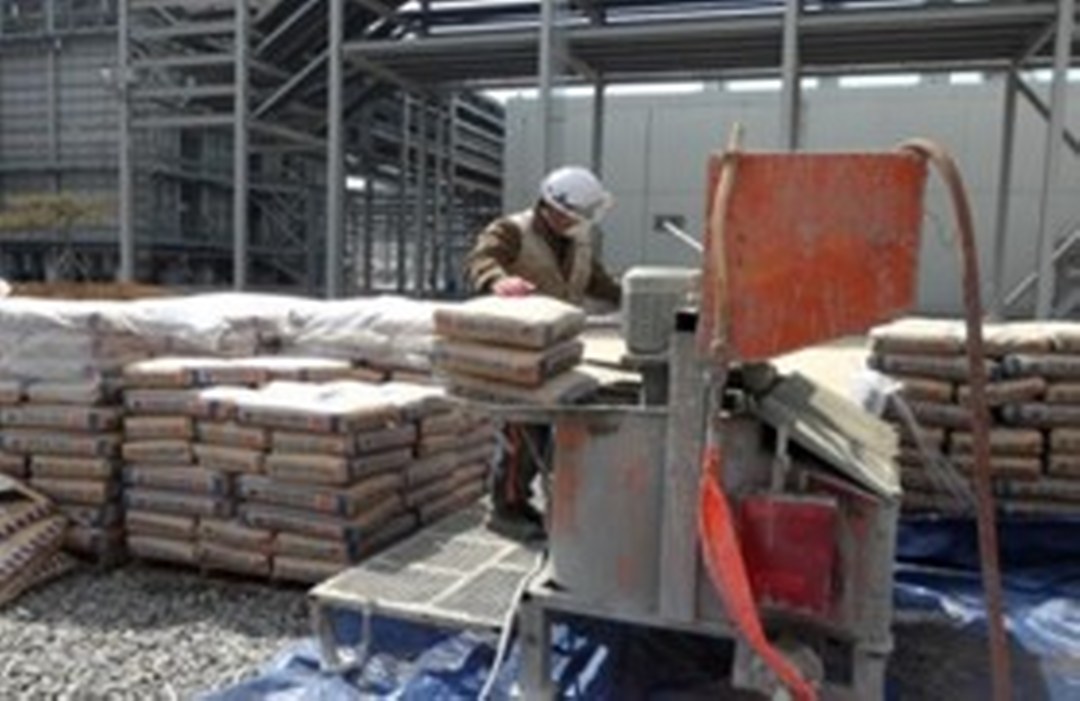
Cement Mixing
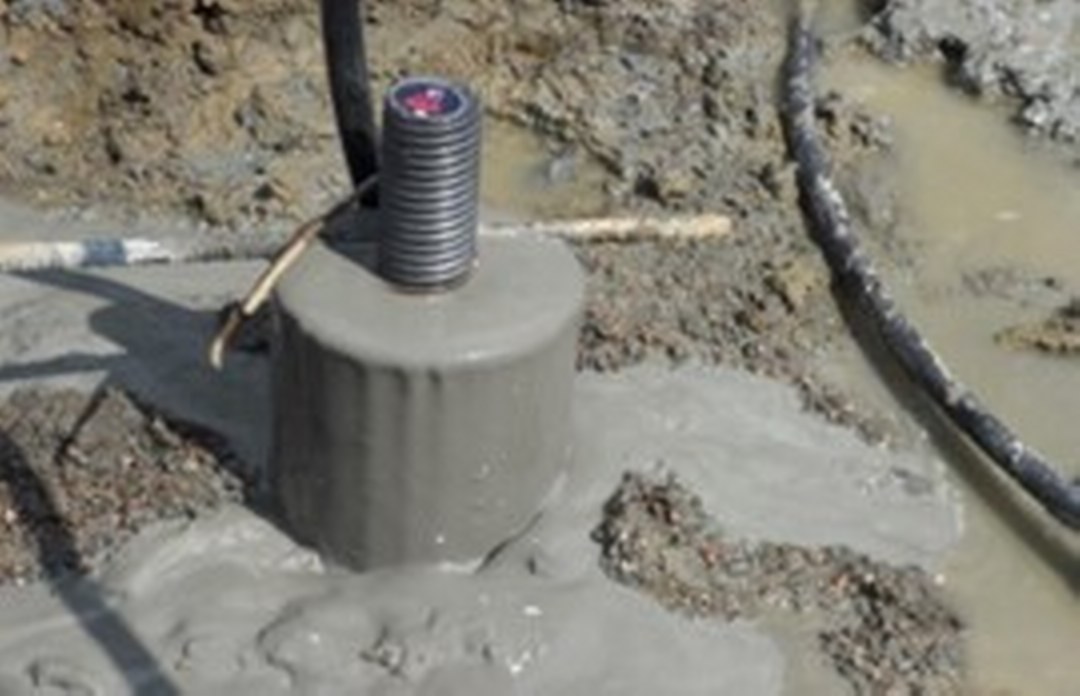
Cement Grouting
Pile Head Reinforcement